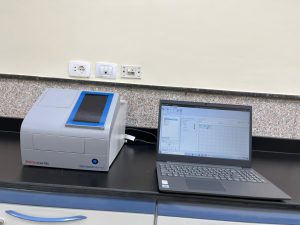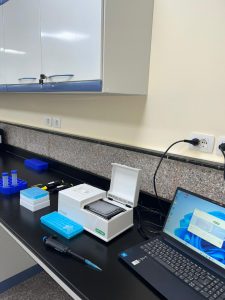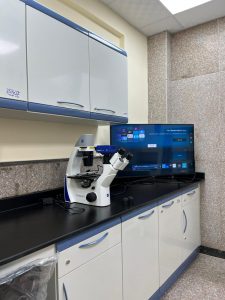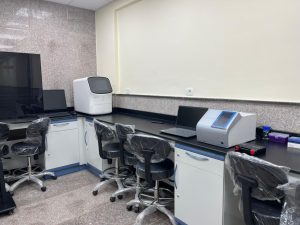
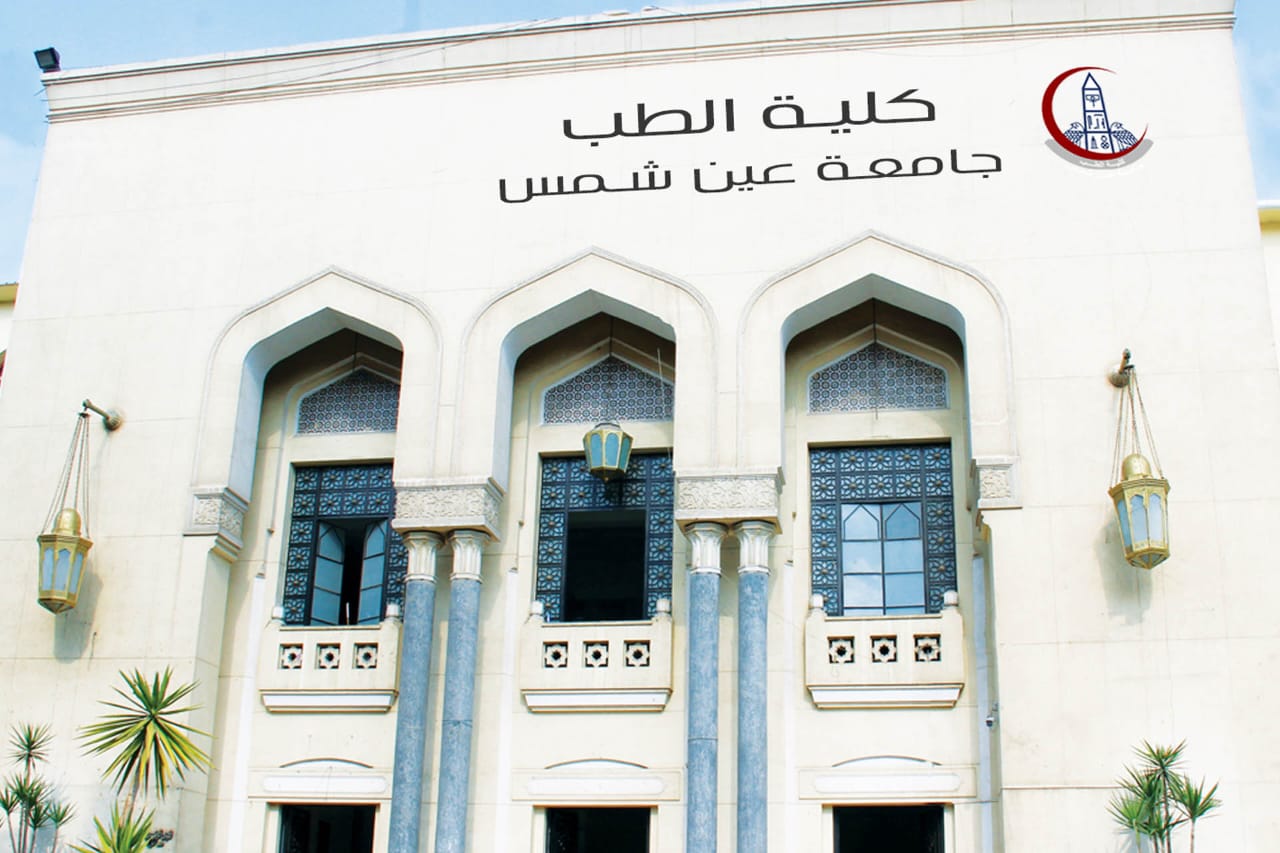
TASH is a multidisciplinary research facility at Ain Shams University designed to address Egypt’s pressing health challenges through integrated wet lab/dry lab capabilities and strategic partnerships with MASRI. Leveraging Translational Bioinformatics and AI-driven analytics, TASH will position itself as Egypt’s premier hub for cost-effective translational research.
Mission:
“To democratize advanced biomedical research for Egyptian healthcare solutions through innovation, collaboration, and capacity-building.”
Vision:
“A regional leader in genomic medicine and precision diagnostics by 2030.”
1. Developing innovative diagnostic and therapeutic solutions for chronic diseases (such as cancer and diabetes).
2. Integrating artificial intelligence (AI) and big data technologies into medical research.
3. Building strategic partnerships with universities and industry.
4. Training medical professionals and researchers on modern technologies such as CRISPR and proteomics.
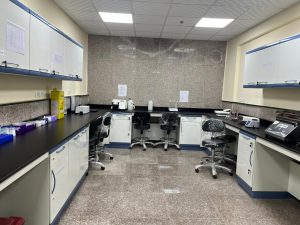
- Lab Spaces:
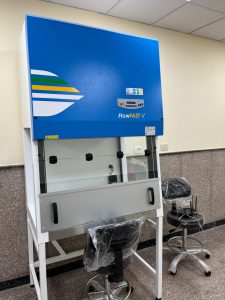
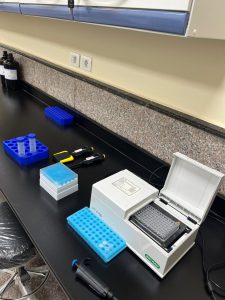
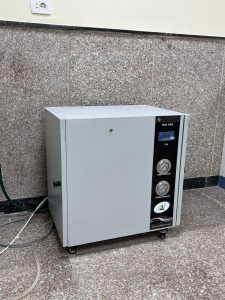
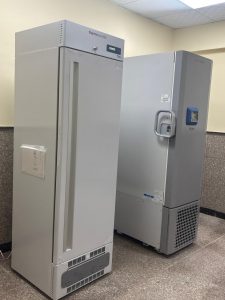
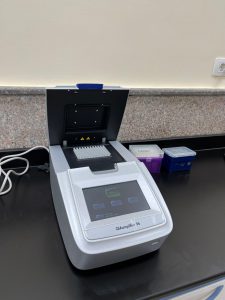
- Wet Labs:Equipped with qPCR, Fluorescent microscope, and automated cell culture systems .
|
No.
|
Instrument اسم الجهاز |
Specification |
|
1. |
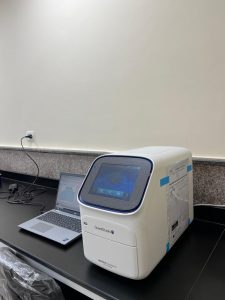
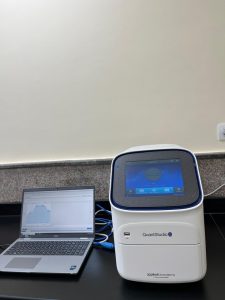
Real-time PCR (Quantestudio) |
1 |
|
2. |
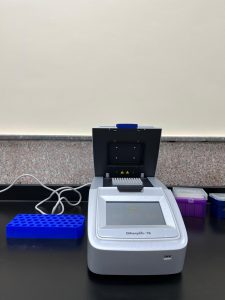
Conventional PCR thermal cycler |
1 |
|
3. |
Nanodrop spectrophotometer (multiskan) |
1 |
|
4. |
High-speed, cooling microcentrifuge with fixed-angle rotor |
2 |
|
5. |
High-speed, centrifuge with swing-out rotors |
1 |
|
6. |
Vertical -80°C freezer
|
1 |
|
7. |
Vertical -20°C freezer |
2 |
|
8. |
Vertical 4°C refrigerators (4 units) |
4 |
|
9. |
Vertical laminar flow hood |
2 |
|
10. |
Safety cabinet class II |
|
|
11. |
Automated ELISA reader system Automated ELISA Washer |
1 |
|
12. |
2 CO2 incubator |
2 |
|
13. |
Ultrasonics Sonochemistry (for western plot) |
1 |
|
14. |
Vertica & horizontal l mini-electrophoresis/electroblotting system |
1 |
|
15. |
Water path |
2 |
|
16. |
Thermoblock |
1 |
|
17. |
Magent stirrer |
1 |
|
18. |
Chemi Doc imaging system |
1 |
|
19. |
Automatic, digital (single & multichannel), variable micropipettes of different sizes |
30 |
|
20. |
High-precision digital microbalance |
3 |
|
21. |
orbital Shacker |
1 |
|
22. |
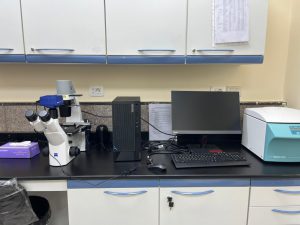
2 Inverted microscope with camera |
1 |
|
23. |
Water purification system |
1 |
|
24. |
speectrofluorometer |
1 |
|
25. |
vortex |
3 |
- Dry Labs:High-performance computing clusters, cloud-based ML platforms (e.g., AWS/Azure).
- Shared Core Facility:Next-gen sequencing (Illumina), HPLC access via partnerships.
Cold room
- freezer -80 C
- freezer -20 C
- freezer 4 C
Biochemistry lab
- Distilled water unit
- Computer
- Heat Block stirrer
- Ph meter
- Sonicator
- Cooling centrifuge
- Vortex manual
- Digital Vortex
- Digital balance
- Gel electrophoresis
- Heat Block
- Homogenizer (50 ml)
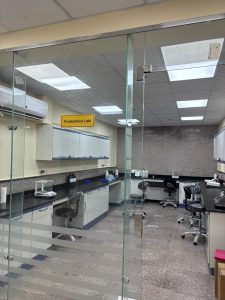
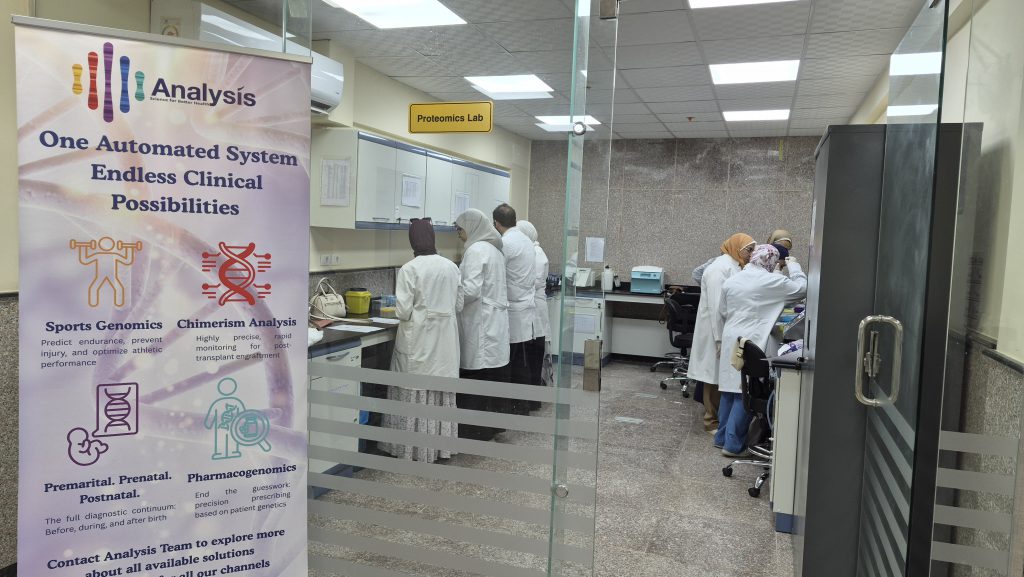
Proteomics Lab
- orbital shaker
- vortex
- vertical electrophoresis unit
- power blotter
- sensitive balance
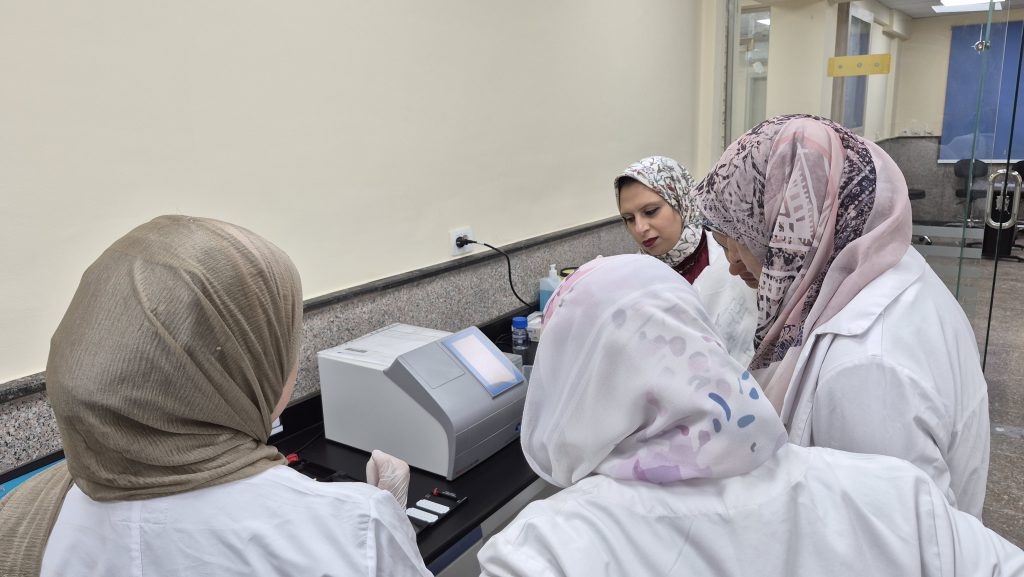
- ELISA plate washer
- ELISA Plate reader
Molecular biology lab
- Realtime PCR
- Computer
- Conventional PCR
- laminar flow hood
-
skyhigh multiskan and nanodrop
- horizontal gel electrophoresis
Imaging Lab
-
skyhigh multiskan and nanodrop
- Gel documentation system
- Computer
- Screen
-
spectrofluorometer
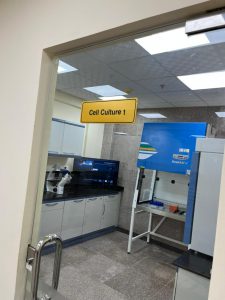
Cell culture lab (parasitology & microbiology)
- CO2 incubator
- Inverted Microscope+ screen
- class 1 laminar flow hood
- Cooling centrifuge
Cell culture lab (stem cells & histology)
- autoclave
- water bath
- Inverted microscope
- safety cabinet class II without exhaust
- highspeed centrifuge
Sample collection area
- Autoclave
Bioinformatics work area
- AI workstation
|
|
|
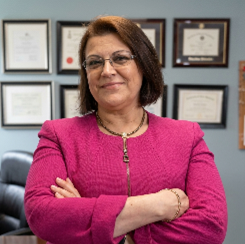
Professor of Molecular Microbiology |
Professor Nahed Ismail |
|
|
|
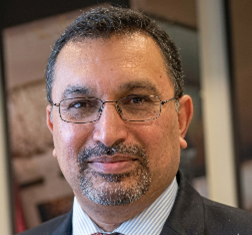
Professor of Molecular Pathology |
Professor Mohamed Abdel Rahman |
|
|
|
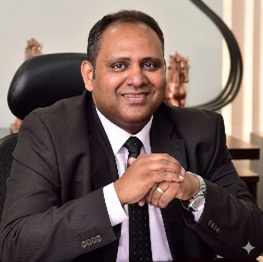
Professor of Pharmacology |
Professor Ayman Al-Qadi |



SARS-CoV-2 Bioinformatics & Gene Expression Workshop
An intensive three-day workshop bridging computational biology with laboratory validation. Participants gained hands-on experience in bioinformatics analysis, transcriptomic data interpretation, and experimental validation using molecular biology techniques.
Day 1 – Genomic Discovery
The workshop commenced with an opening session attended by distinguished academic leaders from the Faculty of Medicine, Ain Shams University.
Prof. Dr. Hala Sweed, Vice Dean for Community Service and Environmental Development, emphasized that the establishment of the Translational & Applied Science Hub (TASH) reflects the Faculty’s commitment to supporting researchers and faculty members through specialized training in Artificial Intelligence (AI) and Bioinformatics, while promoting their applications in Precision Medicine and modern biomedical research.
Prof. Dr. Tarek Mohamed Youssef, Vice Dean for Postgraduate Studies and Research, highlighted the growing importance of integrating Bioinformatics and Artificial Intelligence into biomedical research to develop highly qualified researchers capable of addressing current scientific challenges. He also emphasized TASH’s vision to serve as a leading platform for advancing Translational Research and fostering interdisciplinary scientific collaboration.
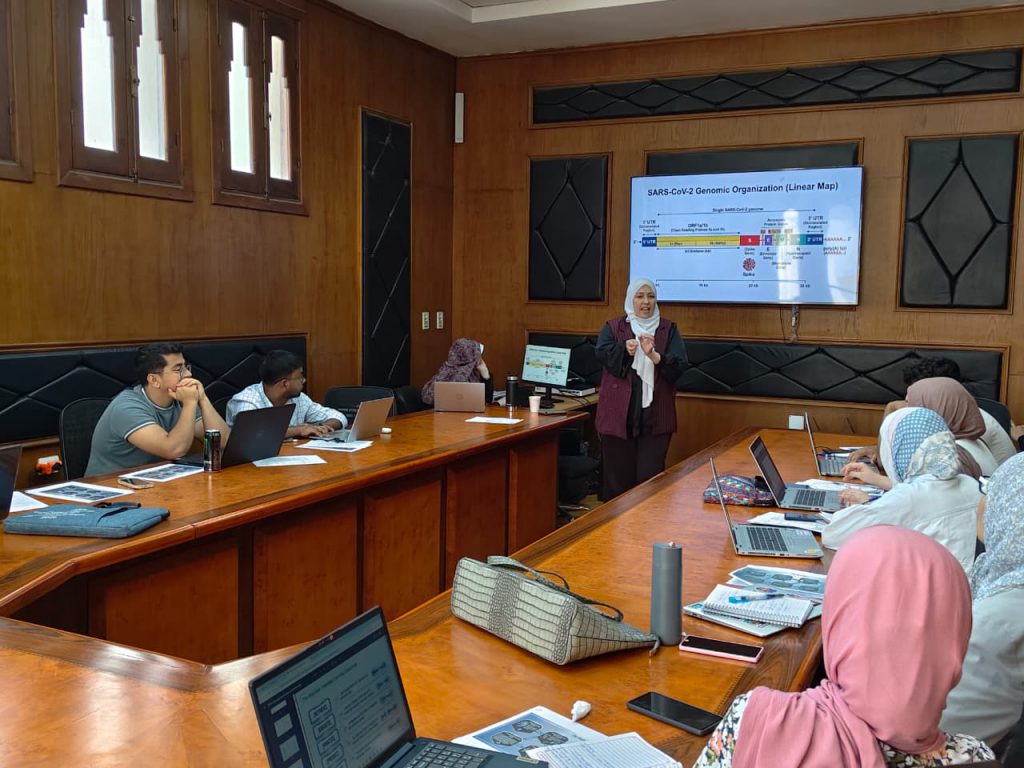
The first day introduced participants to the fundamentals of viral genome analysis and bioinformatics workflows. The sessions covered SARS-CoV-2 genome organization, variant analysis, mutation interpretation, and sequence alignment using widely adopted bioinformatics resources.
Topics covered
-
Introduction to bioinformatics databases
-
Ensemble, NCBI and UniProt navigation
-
SARS-CoV-2 genome architecture
-
Variant analysis and SNP mapping
Day 2 – Transcriptomic Discovery
The second day focused on transcriptomic data analysis and the identification of host responses to viral infection. Participants learned how to retrieve and analyze public gene expression datasets, perform differential expression analysis, and identify potential biomarkers through pathway enrichment.
Topics covered
-
GEO database exploration
-
Host genome datasets
-
Differential gene expression analysis
-
Volcano plot interpretation
-
Pathway enrichment analysis
-
Candidate biomarker identification
Day 3 – Wet-Lab Validation
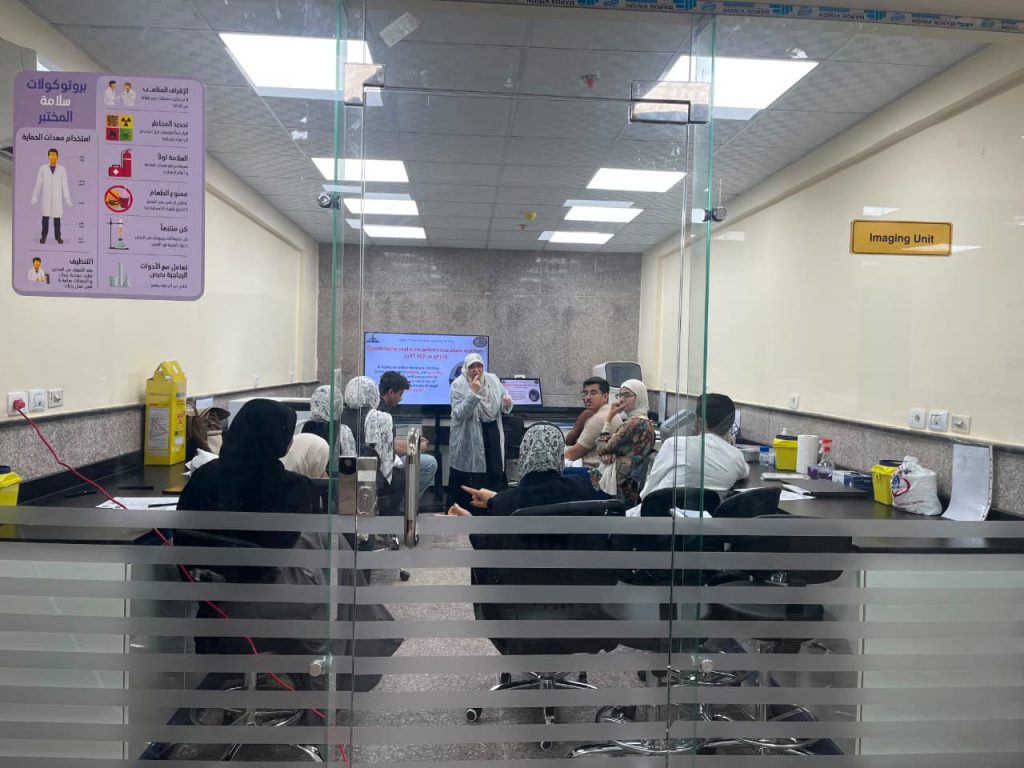
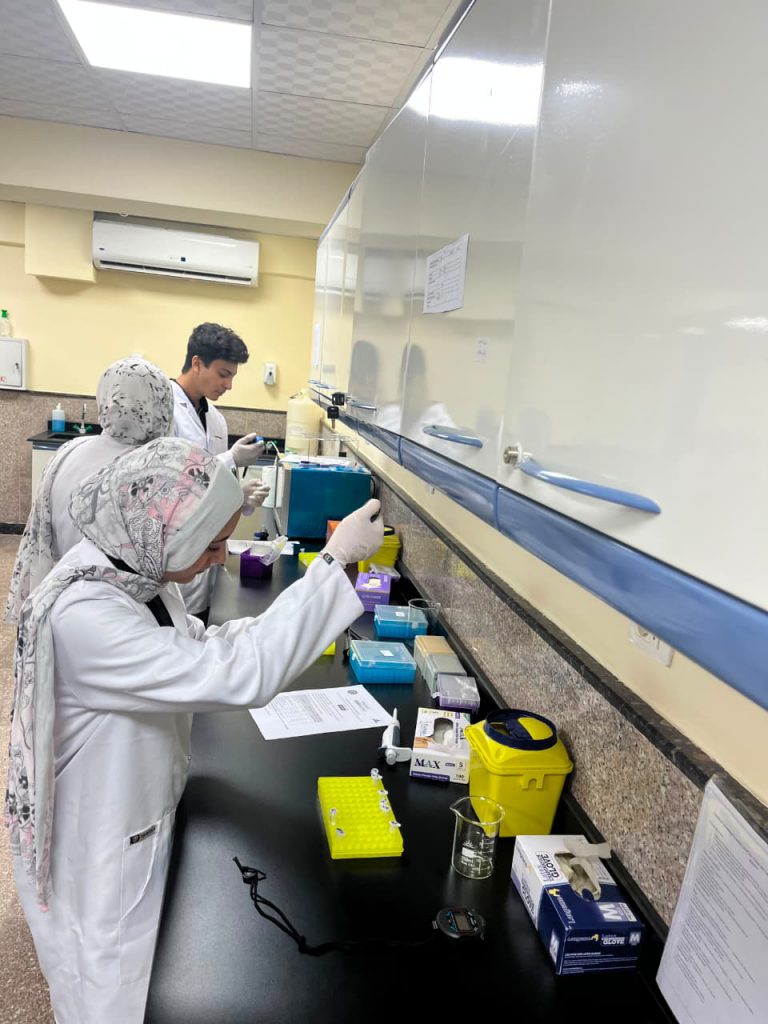
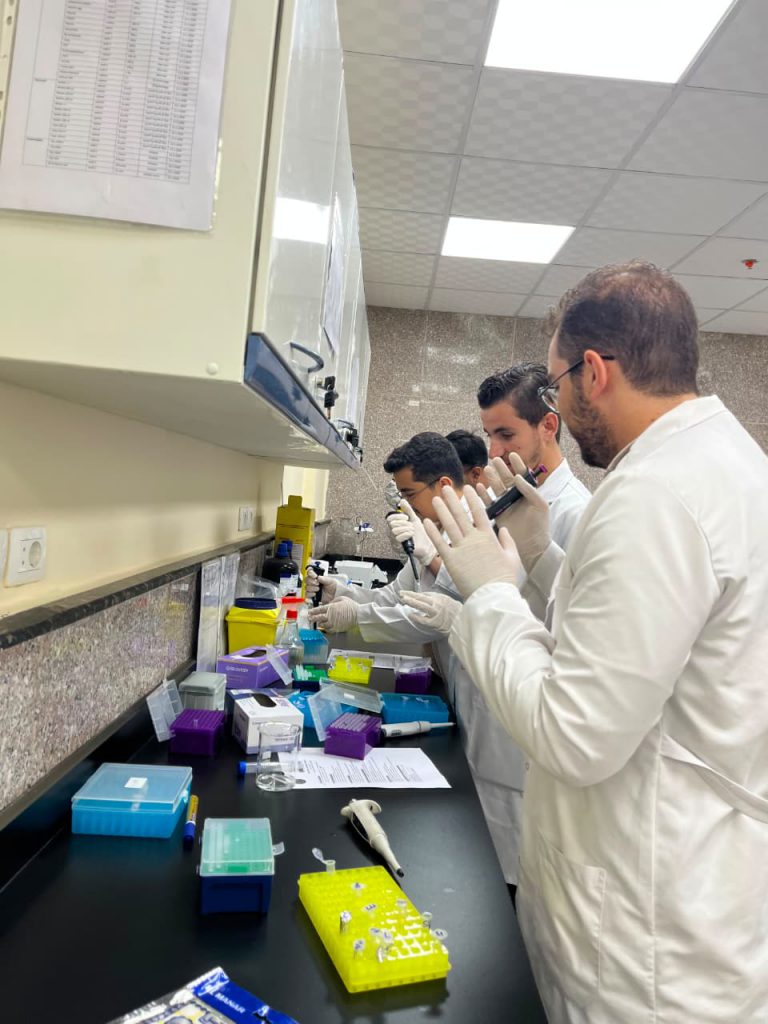
The final day translated computational findings into laboratory applications. Participants performed essential molecular biology techniques required for validating bioinformatics discoveries, from RNA extraction to quantitative gene expression analysis.
Hands-on laboratory sessions
-
RNA extraction and quality control
-
RNA quantification and purity assessment
-
cDNA synthesis (Reverse Transcription)
-
Real-Time PCR setup and optimization
Learning Outcomes
By the end of the workshop, participants were able to:
-
Navigate major biological databases and bioinformatics resources.
-
Analyze viral genomic variations.
-
Perform transcriptomic data analysis and identify candidate biomarkers.
-
Design primers for gene expression studies.
-
Conduct RT-qPCR experiments and analyze gene expression data.
-
Integrate bioinformatics findings with laboratory validation in a translational research workflow.
Success Partners
The Translational & Applied Science Hub (TASH) extends its sincere appreciation to our valued success partners for their generous support and contribution to the successful delivery of this workshop. Their collaboration played a significant role in enriching the participants’ learning experience and reflects our shared commitment to advancing scientific research, innovation, and capacity building.
We would like to express our special thanks to:
-
Analysis Egypt
-
Life tech diagnostics
Their continued partnership enables TASH to deliver high-quality training programs that equip researchers with cutting-edge knowledge and practical skills in Bioinformatics, Molecular Biology, and Translational Research.
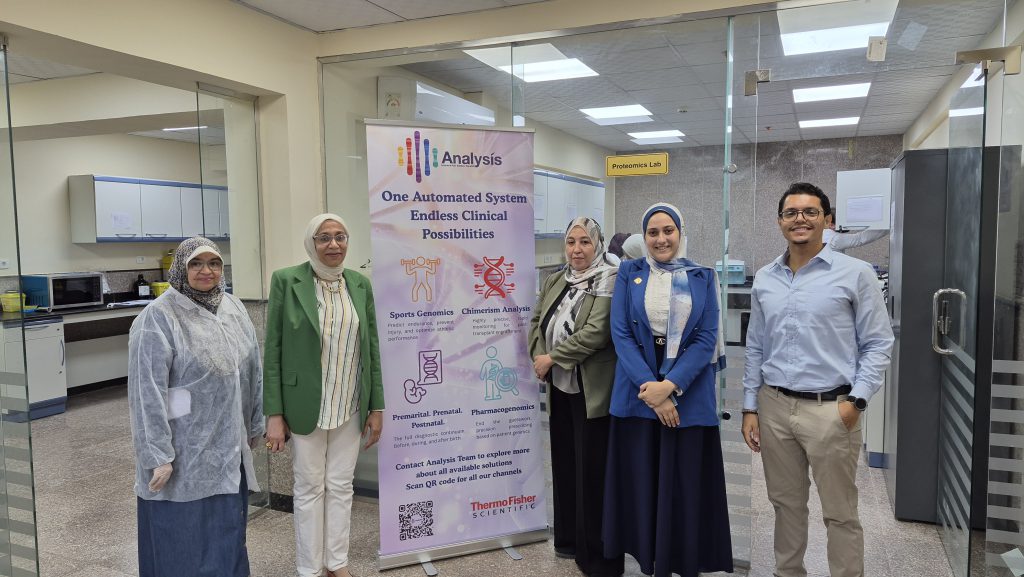
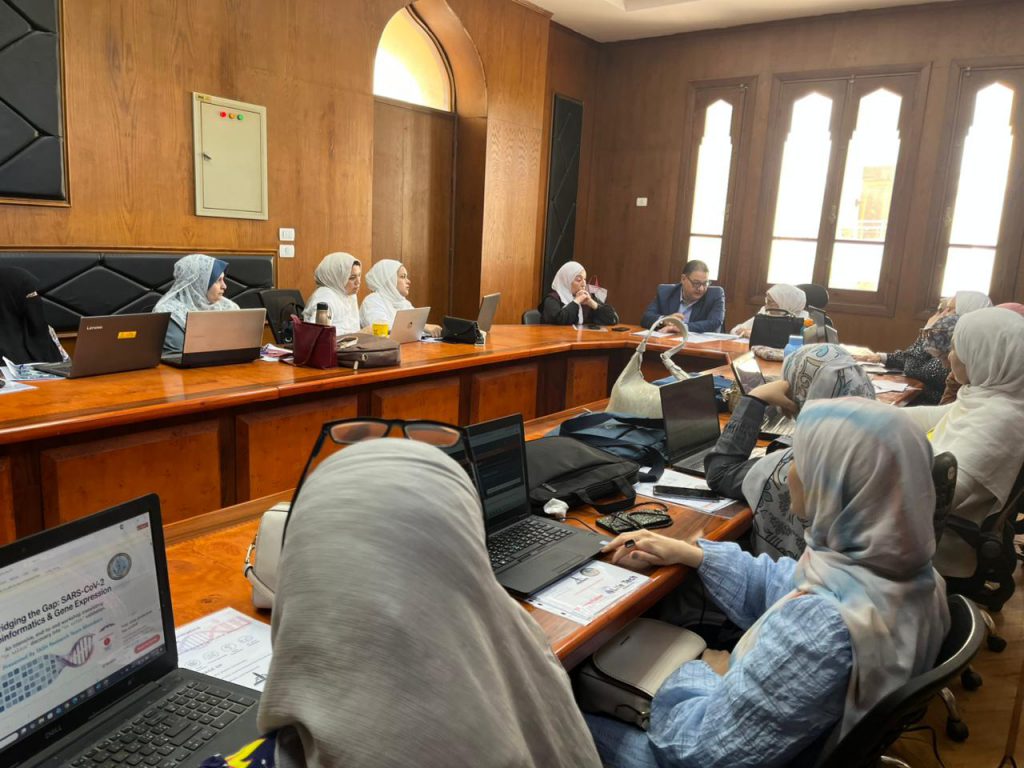
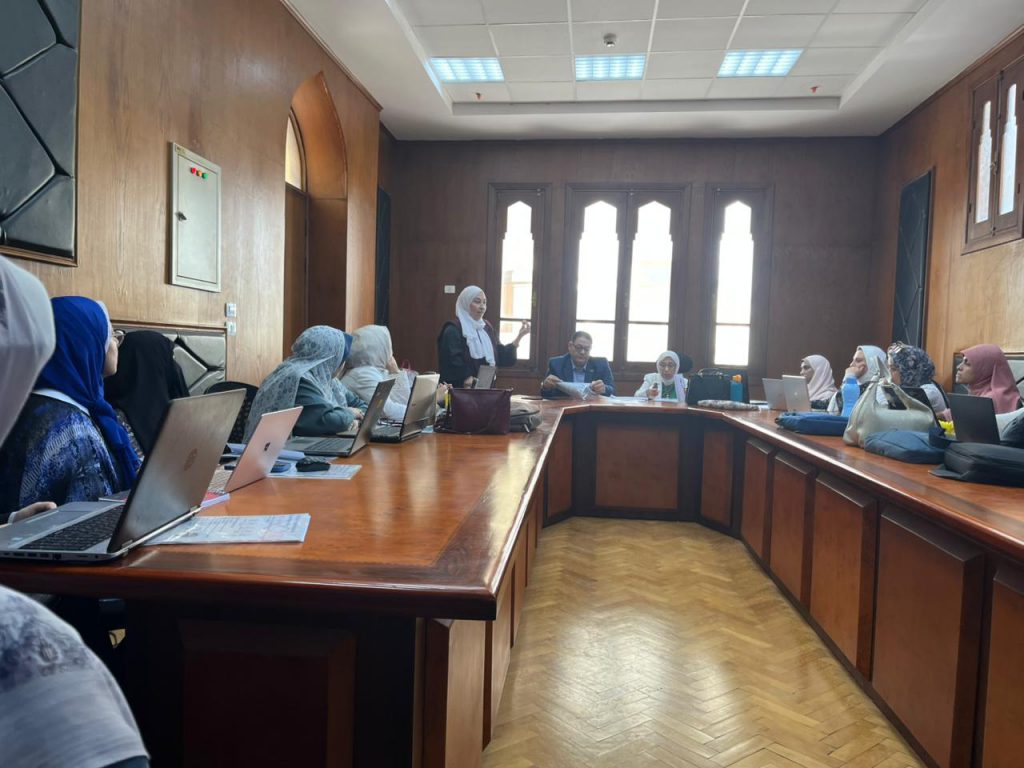
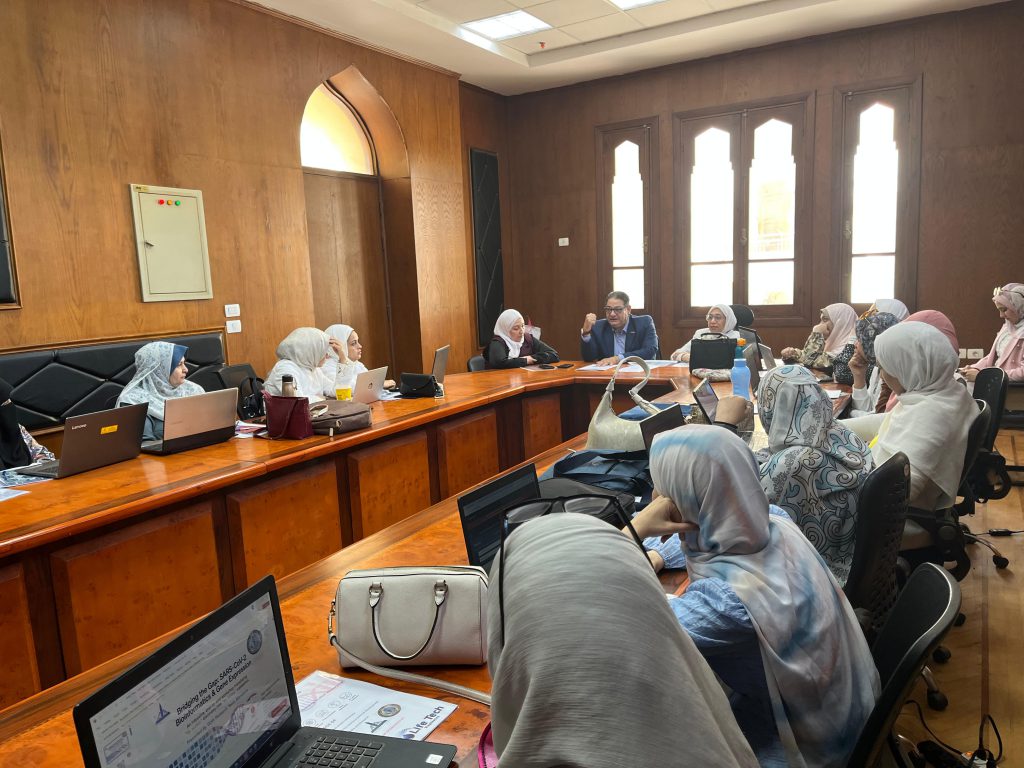
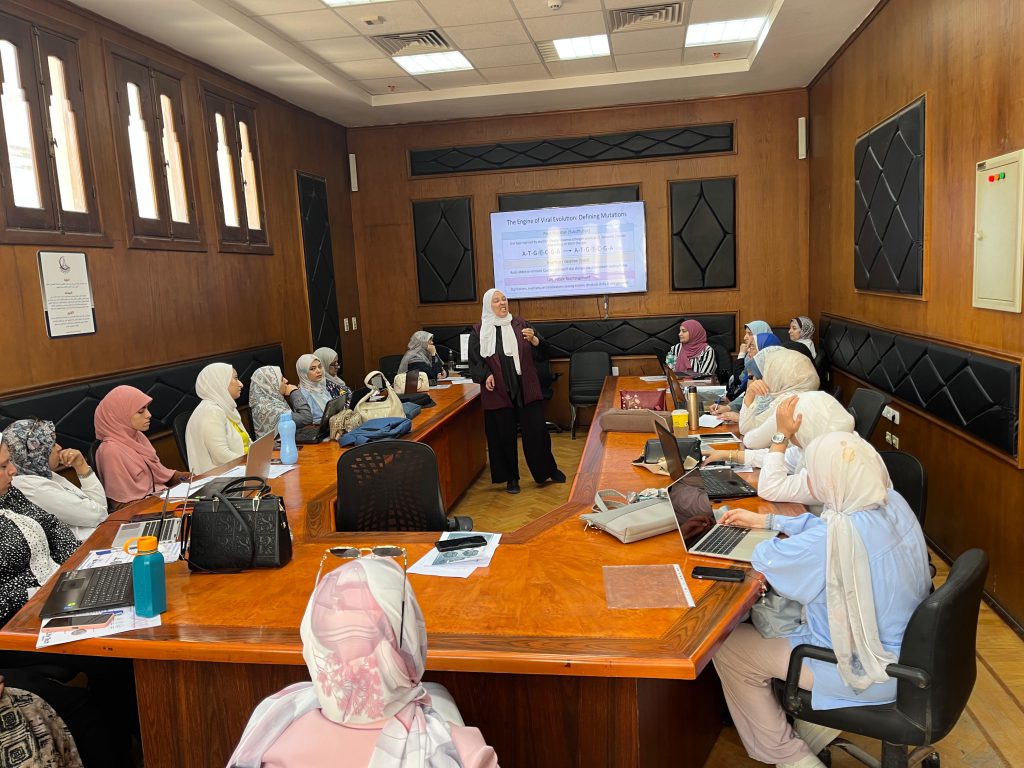
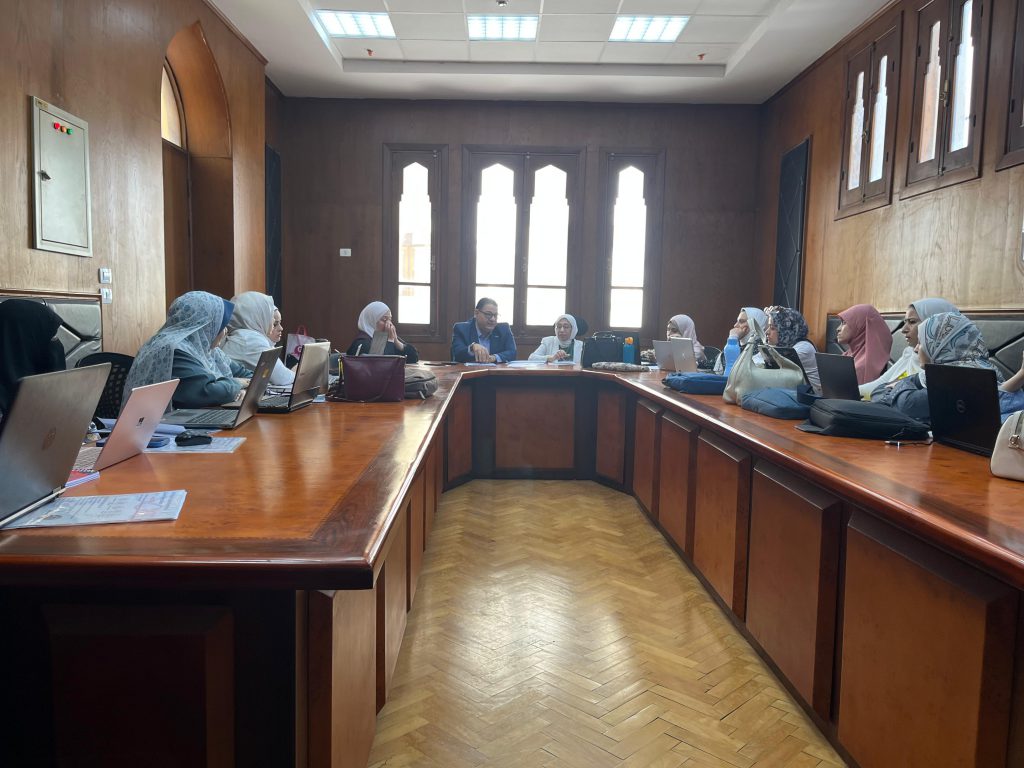
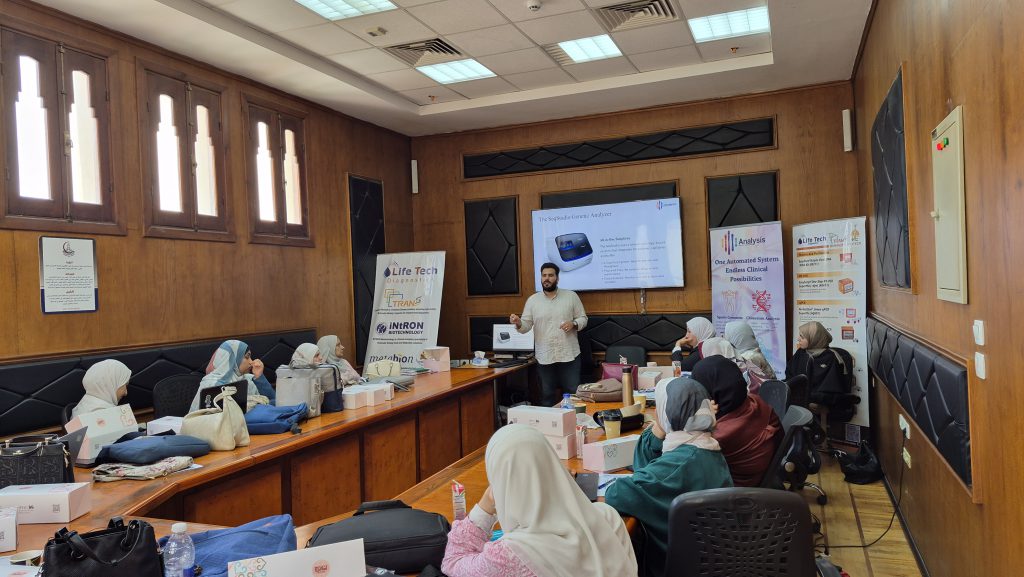
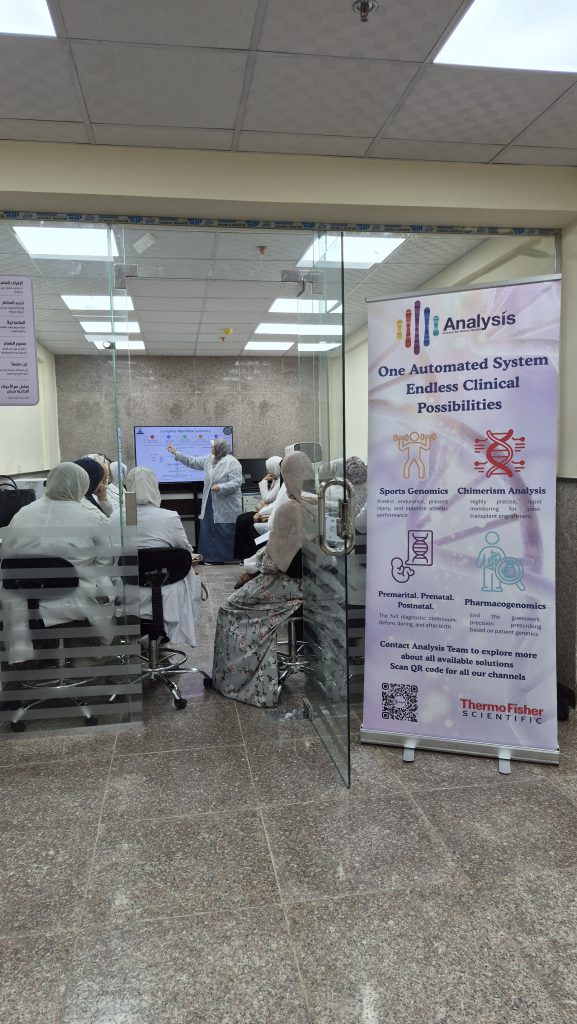
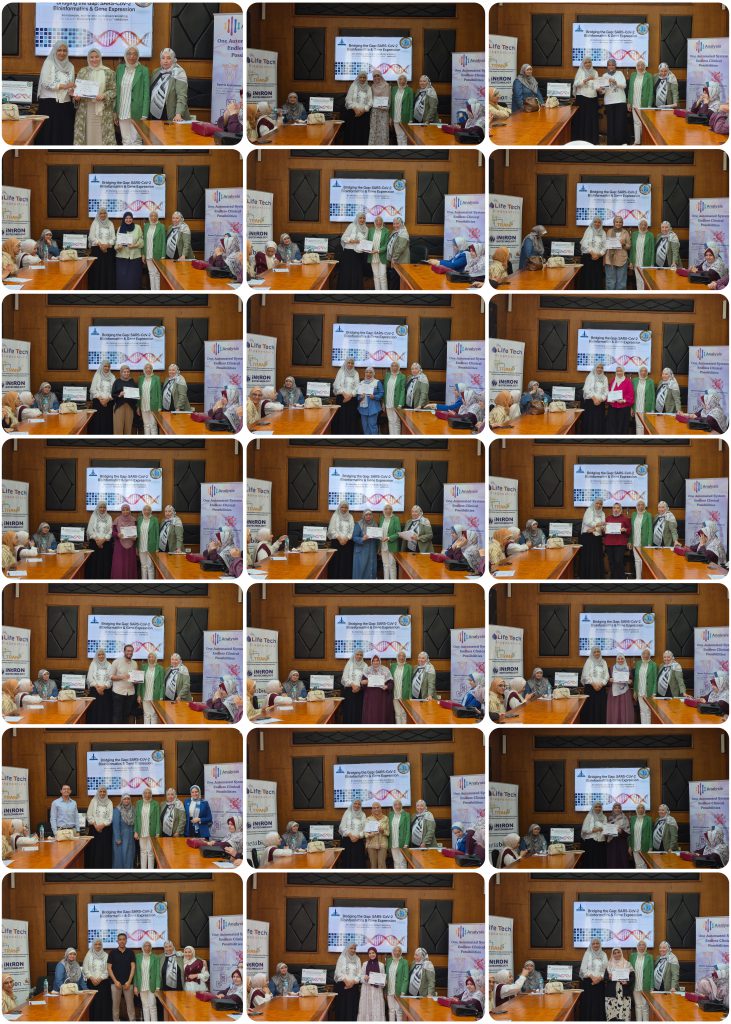
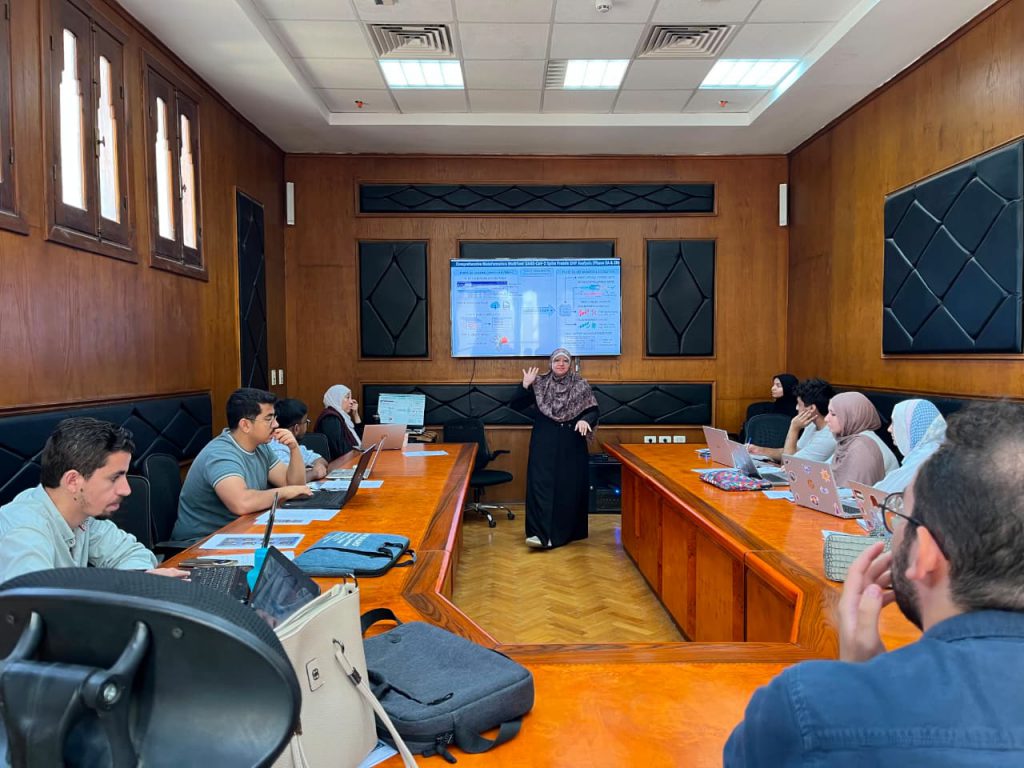
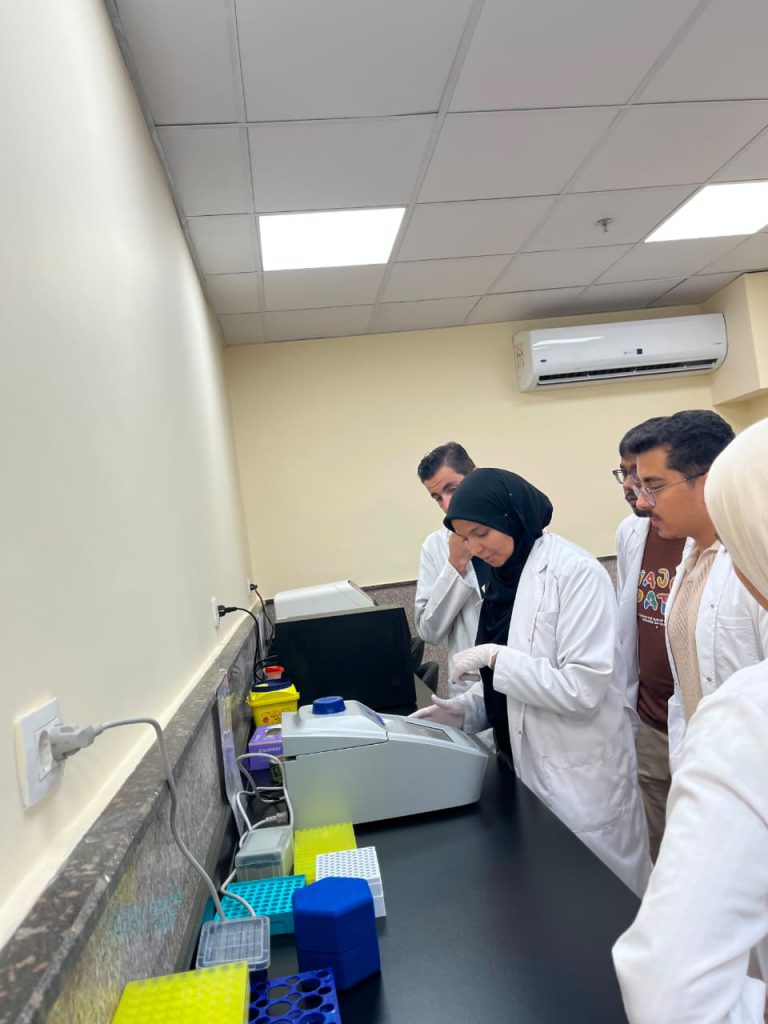
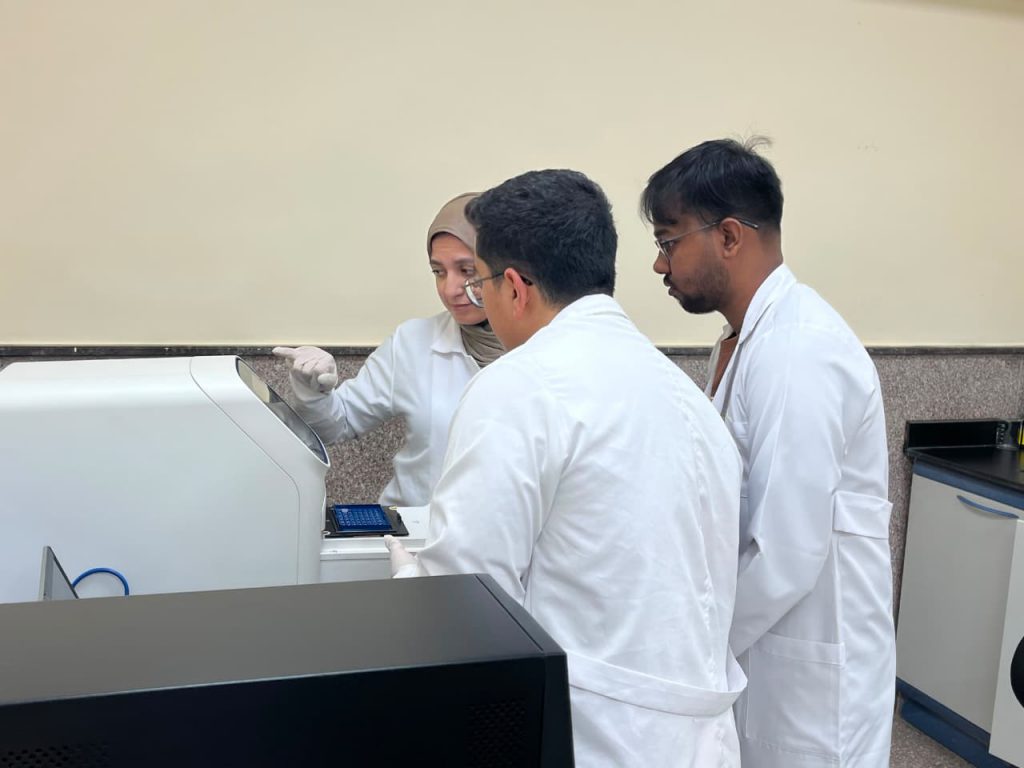
Wave 2 Successfully Completed | Bridging the Gap:
SARS-CoV-2 Bioinformatics & Gene Expression Workshop We are proud to announce the successful completion of Wave 2 of our Bridging the Gap:
SARS-CoV-2 Bioinformatics & Gene Expression Workshop at TASH – Translational & Applied Science Hub.
Over the course of the workshop, participants experienced an integrated learning journey that connected computational biology with experimental validation. The program covered:
🔹 Bioinformatics analysis of the SARS-CoV-2 Spike protein, exploring its structure, mutations, and their impact on virus–host interactions.
🔹 Public genomics databases, where participants learned how to retrieve, explore, and interpret biological datasets to support research questions.
🔹 Wet lab validation using PCR, demonstrating how computational findings can be translated into experimental evidence through proper assay design, reaction setup, and result interpretation.
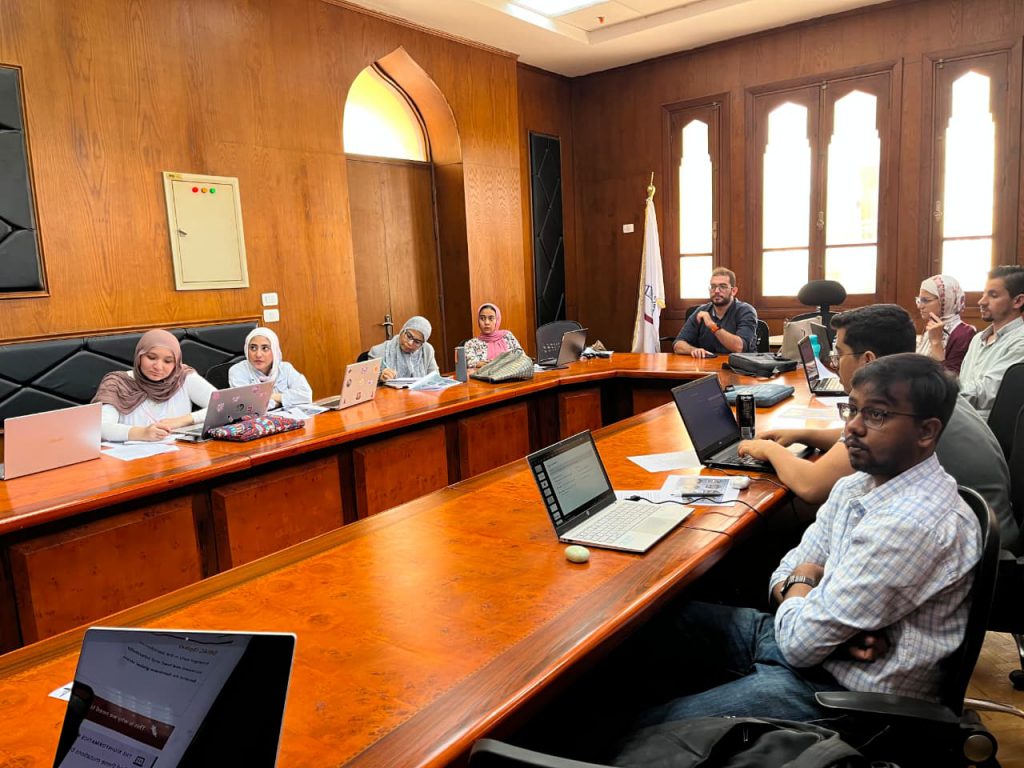
One of the most rewarding aspects of this wave was the remarkable diversity of our participants. We were honored to train international participants, undergraduate students from Medicine and Biotechnology, as well as postgraduate researchers from a wide range of scientific disciplines. This multidisciplinary environment encouraged collaboration, scientific discussion, and the exchange of perspectives, reflecting the true spirit of translational research. A heartfelt thank you to every participant for their enthusiasm, curiosity, and commitment throughout the workshop. Your engagement made this experience truly memorable. We also extend our sincere appreciation to our sponsor, Life Tech Co., for the continuous support in advancing scientific education and research training. We look forward to welcoming even more aspiring researchers in future waves.
-
Abd ElGwad, A.M., Youssef, I., Khaled, A. et al. “Machine learning-based prediction of drug response in ischemia reperfusion animal model,” Sci. Rep. 15, 43012, 2025.
https://doi.org/10.1038/s41598-025-18620-8 -
Sedkey ES, Matboli M, Seadawy MG, Hegazy MGA. “Genetic/epigenetic RNA dysregulation in type 2 diabetes mellitus complicated with ischemic heart disease,” Front Endocrinol (Lausanne), 2025 Oct 31;16:1687145. PMID: 41244042; PMCID: PMC12615181.
https://doi.org/10.3389/fendo.2025.1687145 -
Marwa Matboli, Aly Elanwar, Tarek M. Yousef, Radwa Khaled, Maha Saad, Mohamed Ahmed Mohamed Tolba, Nesma Mohamed Mohamed, Ghada Galal Hamam, Marwa Shafei, Shimaa S. Attia, Nevien Hendawy, Marian Maher Salib Roushdy, “Dual calcium-ACE inhibition reverses non alcoholic fatty pancreas progression: Mechanistic convergence on miR-762/GPX4 driven NLRP3 inflammasome activation,” Biomedicine & Pharmacotherapy, Volume 196, 2026.
https://doi.org/10.1016/j.biopha.2026.119137 -
El-Sayed AA, Nabeel AI, Hegazy MGA, El Anwar A, Matboli M. “Evaluation of a lipid peroxidation-dependent ferroptosis RNA panel expression as a potential noninvasive biomarker in patients with nonalcoholic steatohepatitis-associated hepatocellular carcinoma,” Mol Biol Rep., 2025 Dec 29; 53(1):231. IF: 2.8 (Q3) PMID: 41460534.
https://doi.org/10.1007/s11033-025-11340-2 -
Matboli, M., ELanwar, A., Altayyar, M. et al. “Identification of NFKB1, miR-342-5p, -5192, and −15b as diagnostic biomarkers for periodontitis in type 2 diabetes mellitus: a cross-sectional and experimental study,” BMC Oral Health, 2026.
https://doi.org/10.1186/s12903-026-07780-2 -
Radwa Khaled, Emad EL-Zayat, Mohamed A. Ragheb, Sara Elsayed Abdelrahman and Marwa Matboli. Early RNA biomarker signatures for prediction of acute kidney injury in acute coronary syndrome patients undergoing PCI, BMC Nephrology. (in press). doi: 10.1186/s12882-026-04926-w
-
Mokhtar, R., Ghazy, S., Hesham, A., Matboli, M., & Shebl, I. (2026). Multi-targeted therapy for tongue squamous cell carcinoma: Sesamolin’s impact on ferroptosis-related genes and non-coding RNA dynamics in a preclinical model. Ain Shams Dental Journal, 41.
Doi: 10.21608/ASDJ.2026.459703.2633 -
Matboli, M., Elanwar, A., Khaled, R., Khaled, A., Hamdy, E., Eltantawy, B., Hamams, G. G., Ahmed, M. Y., Fouad, M., Tarek, A. A., Elmasry, M., El-Shafei, M. M., Emad, B., Gouda, A., Diab, I., & Aboughaleb, I. H. (2026). Machine learning-based prediction model for drug target identification and MASH improvement: a comprehensive analysis of biochemical and ferroptosis/autophagy biomarkers. Journal of Physiology and Biochemistry, 82(43)
https://doi.org/10.1007/s13105-026-01181-3
Molecular Biology & Genomics
Foundations of Nucleic Acid Analysis
Duration:
Content:
• PCR principles and primer design (Tm, GC content, specificity).
• Contamination control and best laboratory practices.
• qPCR workflows (SYBR Green vs. TaqMan) and ΔΔCt analysis.
• Hands-on training in thermal cycler programming and pipetting accuracy.
• Case study: troubleshooting false-positive PCR results (COVID-19 model).
• Data analysis using Bio-Rad CFX Manager and Excel/R.
• Target Audience: Undergraduate students, MSc candidates, and lab technicians new to molecular techniques.
Gene Expression Analysis and qPCR Validation
Duration:
Content:
• RNA extraction strategies (TRIzol vs. column-based methods).
• RNA quality assessment (RIN, DV200 for FFPE samples).
• Reverse transcription optimization for low-input RNA.
• Advanced qPCR techniques including multiplexing and probe design.
• Reference gene validation using GeNorm and normalization strategies.
• MIQE-compliant data generation and reporting.
• Target Audience: PhD candidates, postdoctoral researchers, and clinical scientists.
Molecular Cloning & CRISPR Gene Editing
CRISPR-Based Genome Editing and Molecular Engineering
Duration:
Content:
• CRISPR-Cas9 mechanism and experimental design.
• gRNA design using bioinformatics tools (e.g., CHOPCHOP).
• Delivery systems: electroporation vs. viral transduction.
• Homology-directed repair (HDR) and knock-in strategies.
• Validation of gene editing efficiency (Sanger sequencing, TIDE analysis).
• Applications in gene therapy and functional genomics.
• Target Audience: Genetic engineers, synthetic biologists, and translational researchers.
Epigenomics in Human Disease
Duration:
Content:
• Fundamentals of epigenetics: chromatin structure, heterochromatin, and transcriptional regulation.
• DNA methylation and hydroxymethylation profiling techniques.
• Chromatin Immunoprecipitation (ChIP) workflow and optimization.
• Bisulfite conversion and sequencing-based methylation analysis.
• Pyrosequencing and Illumina-based epigenomic profiling.
• Applications in cancer and developmental disorders.
• Target Audience: Epigenetics researchers, oncologists, and biotechnology professionals.
Cell Culture & Microscopy
Aseptic Techniques and Contamination Control
Duration:
Content:
• Principles of sterile technique in cell culture laboratories.
• Identification and prevention of microbial contamination (including mycoplasma).
• Hands-on culture of mammalian cell lines (HEK293).
• Environmental effects on cell growth (hypoxia vs. normoxia).
• Quality control and troubleshooting in cell culture systems.
• Target Audience: Beginners in cell culture, lab technicians, and biomedical students.
Parasitology & Antigen Preparation
In Vitro Culture and Antigen Preparation of Parasites
Duration:
Content:
• Principles of parasite culture (xenic and axenic systems).
• Culturing protozoa (e.g., Trichomonas, Blastocystis).
• Aseptic techniques and contamination control.
• Antigen extraction, purification, and characterization.
• SDS-PAGE and immunological applications.
• Applications in diagnostics and vaccine development.
• Target Audience: Postgraduate students in medical, veterinary, and biological sciences.
Advanced Live-Cell and Super-Resolution Imaging
Duration:
Content:
• Super-resolution microscopy (N-STORM) for nanoscale imaging.
• Sample preparation and fluorescent labeling strategies.
• FRET-FLIM techniques for studying protein interactions in live cells.
• Hypoxia imaging and tracking of HIF-1α dynamics.
• Image analysis using Fiji and advanced microscopy software.
• Generation of publication-quality imaging data.
• Target Audience: Cell biologists, neuroscientists, and microscopy core facility staff.
Proteomics & Immunoassays
Protein Quantification and Immunoassay Techniques
Duration:
Content:
• Fundamentals of proteomics: gel-based and non-gel-based approaches.
• Protein extraction and quantification (BCA vs. Bradford assays).
• SDS-PAGE and Western blotting workflows (reducing vs. non-reducing).
• Troubleshooting protein transfer and detection of high-molecular-weight proteins.
• ELISA principles, applications, and standard curve development.
• Automation strategies for high-throughput immunoassays.
• Data quality control and assay reproducibility (CV optimization).
• Target Audience: Protein researchers, biochemists, and biopharma QC analysts.
Clinical & Diagnostic Laboratory Workshops
Clinical Microbiology and Diagnostic Techniques
Duration:
Content:
• Clinical sample collection and biosafety protocols.
• Identification of bacteria, fungi, and viruses.
• Cell culture techniques for diagnostic virology.
• Antimicrobial sensitivity testing and interpretation.
• Case-based diagnostic decision-making.
• Target Audience: Microbiologists, clinicians, and medical students.
Specialized Equipment Training Programs
Duration:
Content:
• Real-time PCR workflows: extraction to data analysis.
• Fluorescence microscopy imaging and analysis.
• Automated ELISA systems and LIMS integration.
• Western blotting from protein extraction to quantification.
• Hands-on operation and troubleshooting of laboratory instruments.
• Target Audience: Laboratory professionals and technical specialists.
Bioinformatics & Precision Medicine
Bioinformatics-Driven Genetic Panel Development
Duration:
Content:
• Mining public datasets (TCGA, GEO, ArrayExpress) for disease biomarkers.
• Differential expression analysis and co-expression networks (limma, WGCNA).
• Machine learning approaches (LASSO regression) for gene panel optimization.
• Functional enrichment and pathway analysis (DAVID, Metascape).
• Clinical validation using NanoString and qPCR platforms.
• Diagnostic performance evaluation (ROC curves, AUC analysis).
• Regulatory frameworks (CLIA, FDA pre-submission).
• Capstone project: design and validate a disease-specific genetic panel.
• Target Audience: Bioinformaticians, clinicians, and computational biologists.
Translational Research & Scientific Development
From Idea to Publication: Translational Research Workflow
Duration:
Content:
• Study design and hypothesis development.
• Multi-omics data integration and visualization.
• Scientific writing (manuscripts, PRISMA, pathway figures).
• Statistical modeling for longitudinal and experimental data.
• Journal club mentorship and peer-review strategies.
• Target Audience: Early-career researchers and graduate students.
Scientific Seminars & Conferences
Emerging Trends in Laboratory Medicine and Biomedical Research
Duration:
Content:
• Expert-led talks on cutting-edge research topics.
• Case studies and interactive discussions.
• Networking sessions for interdisciplinary collaboration.
• Opportunities for national and international research partnerships.
• Target Audience: Researchers, faculty members, and healthcare professionals.
ADVANCED TRAININGS:
Advanced Techniques in ChIP and CRISPR for Gene Regulation Studies
Duration:
Content:
-
Combining ChIP techniques with CRISPR for functional genomics.
-
Design and optimization of CRISPR experiments to study gene regulation.
-
Data analysis of ChIP-Seq and CRISPR results using bioinformatics tools.
-
Case studies on the application of these techniques in virology research.
-
Target Audience:Genetic engineers, molecular biologists, and bioinformaticians.
Bioinformatics Applications in Viral Pathogenesis and Immunity
Duration:
Content:
-
Bioinformatics approaches to study host-virus interactions.
-
Analysis of immune responses to viral infections using transcriptomic data.
-
Predictive modeling of viral evolution and spread using AI.
-
Workshops on software tools for viral sequence analysis and immune profiling.
-
Target Audience:Immunologists, virologists, and data scientists.
AI-Driven Approaches in Virology and Genomics
Duration:
Content:
-
Machine learning algorithms for viral sequence classification and annotation.
-
Deep learning applications in predicting viral pathogenicity and host interactions.
-
Development of AI models for real-time virology data analysis.
-
Practical sessions on using TensorFlow and PyTorch for genomic data.
-
Target Audience:Bioinformaticians, virologists, and AI researchers.
ChIP-Seq Data Analysis and Integration with Bioinformatics
Duration:
Content:
-
Advanced techniques in ChIP-seq for studying protein-DNA interactions.
-
Data processing and analysis using bioinformatics software (e.g., MACS, HOMER).
-
Integration of ChIP-seq data with transcriptomics and epigenomics.
-
Hands-on workshops on data visualization and interpretation using R/Bioconductor.
-
Target Audience:Molecular biologists, geneticists, and bioinformaticians.
Advanced Virology: Integrating AI and Bioinformatics
Duration:
Content:
-
In-depth study of viral genomics and evolution.
-
Application of AI in predicting viral outbreaks and mutations.
-
Bioinformatics tools for analyzing viral sequences and structures.
-
Case studies on the use of AI in vaccine development and antiviral drug discovery.
-
Target Audience:Researchers in virology, bioinformatics, and computational biology.
TASH PARTICIPATION IN UNDERGRADUATE RESEARCH TRACK AT MISR CONFERENCE
First Research Award for Undergraduates in Misr Conference
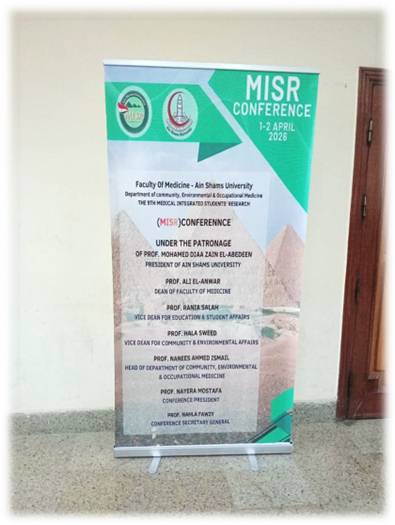
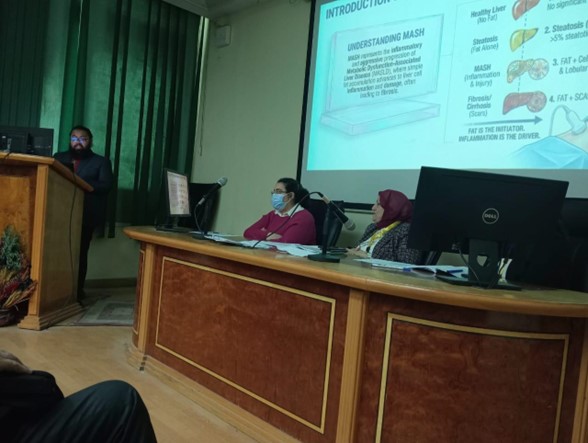
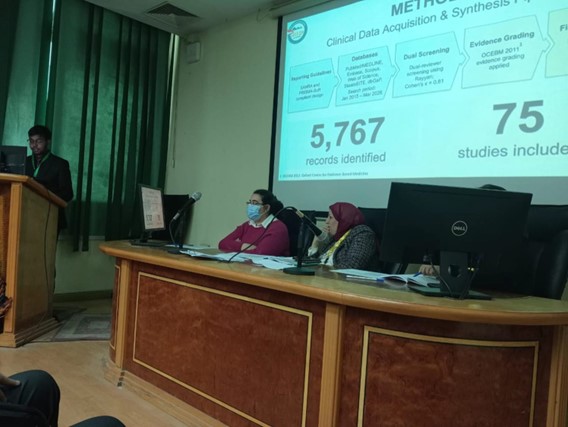
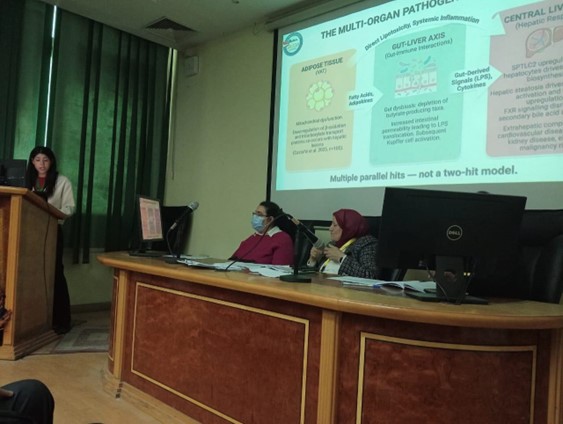
Research tobic: Translational Multi-Omics in MASH From Molecular Discovery to Al-Driven
Clinical Deployment
A Hybrid Narrative & Perspective Review
The students in the 9th Medical Integrated Students’ Research Conference: Tanbir Hossen Abir, Mohamed Maaz Shaikh, Mahitab Desoky, Marjan Azizi
Supervisor: Dr. Marwa Matboli Sayed Mohamed.
Tanbir Hossen Abir
Mohammed Maaz Shaikh
Mahitab Desoky
Marjan Azizi
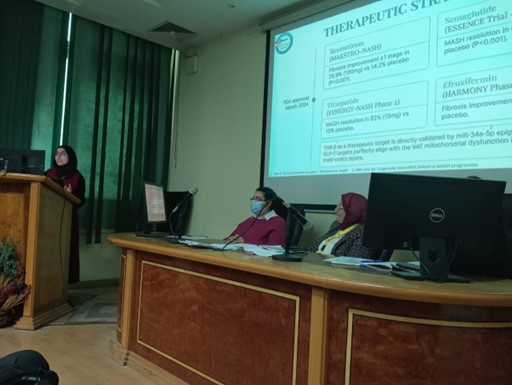
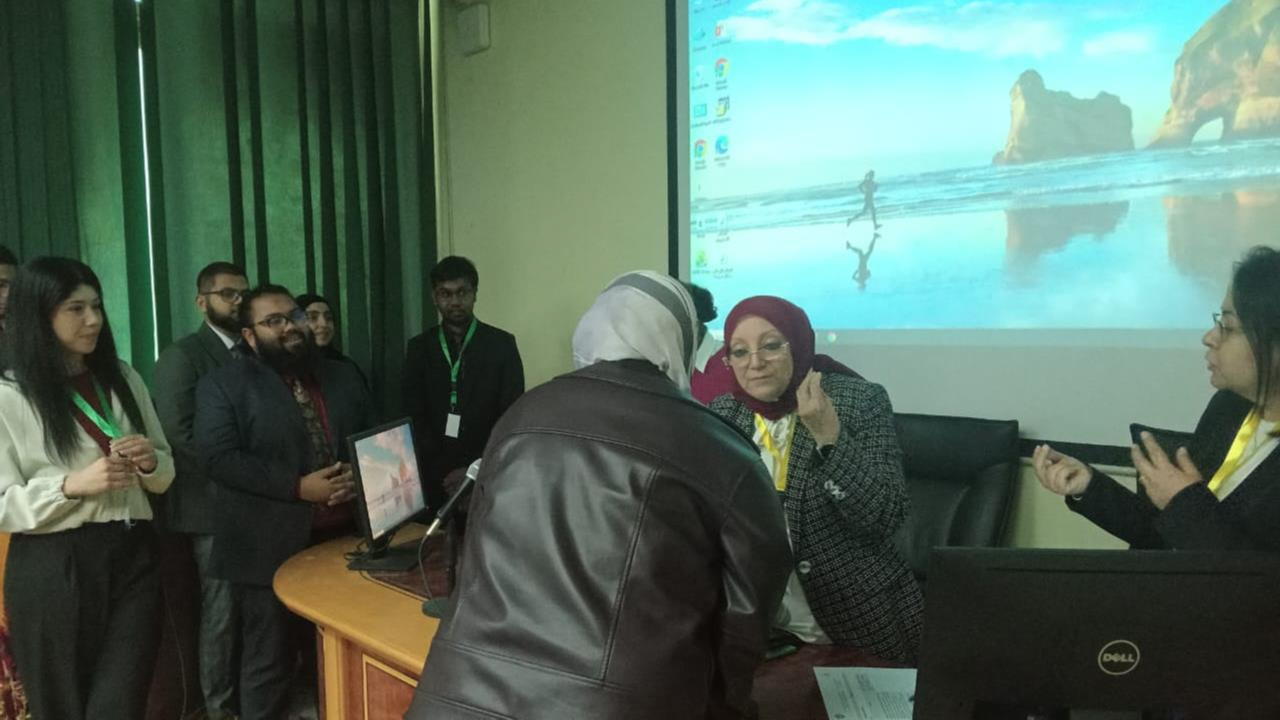
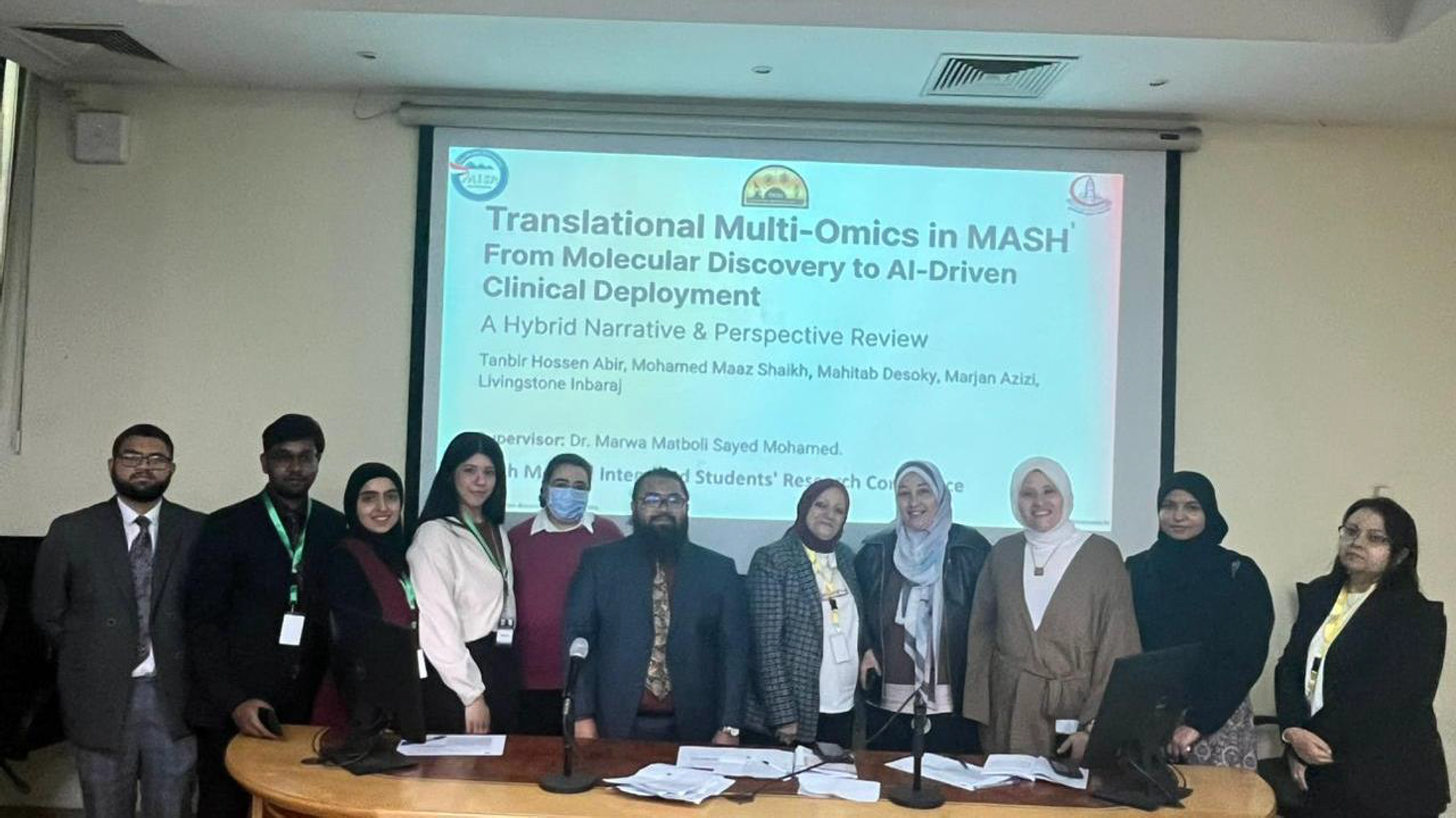
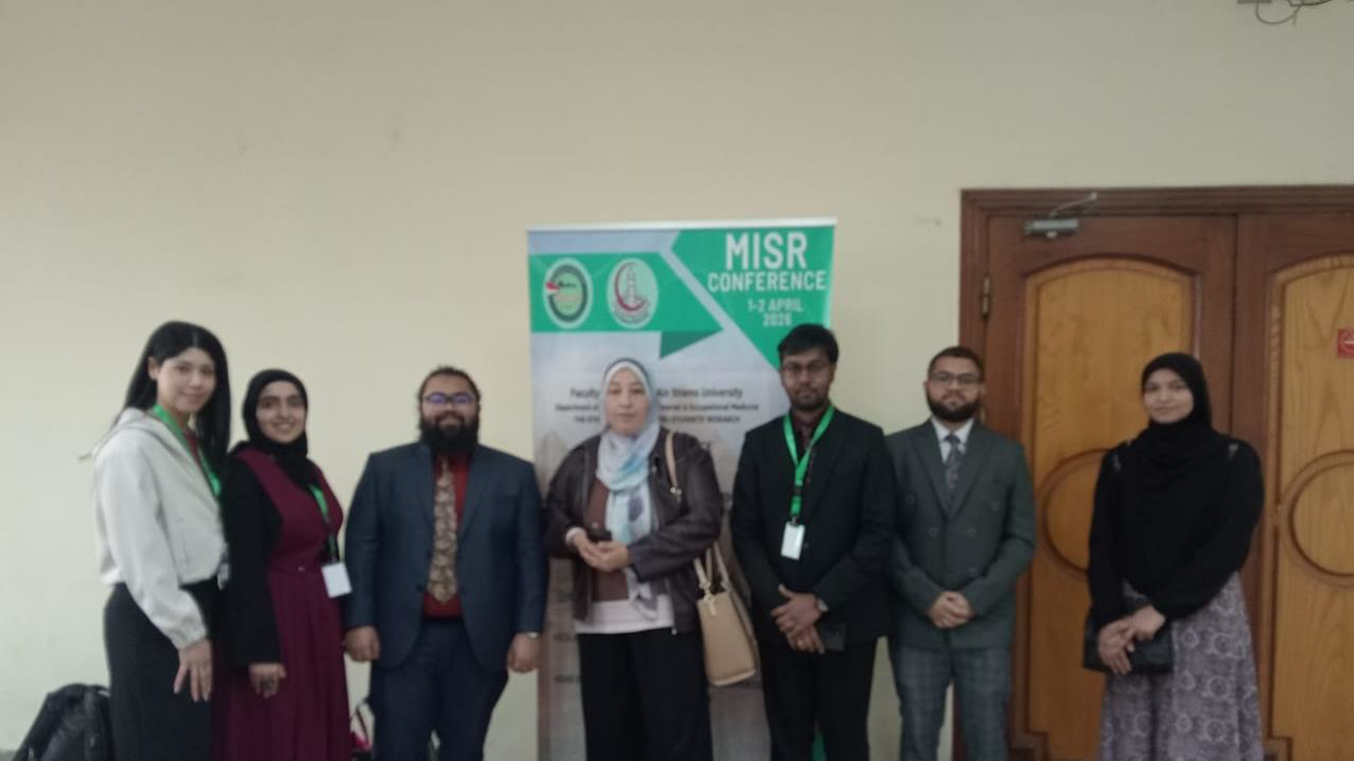
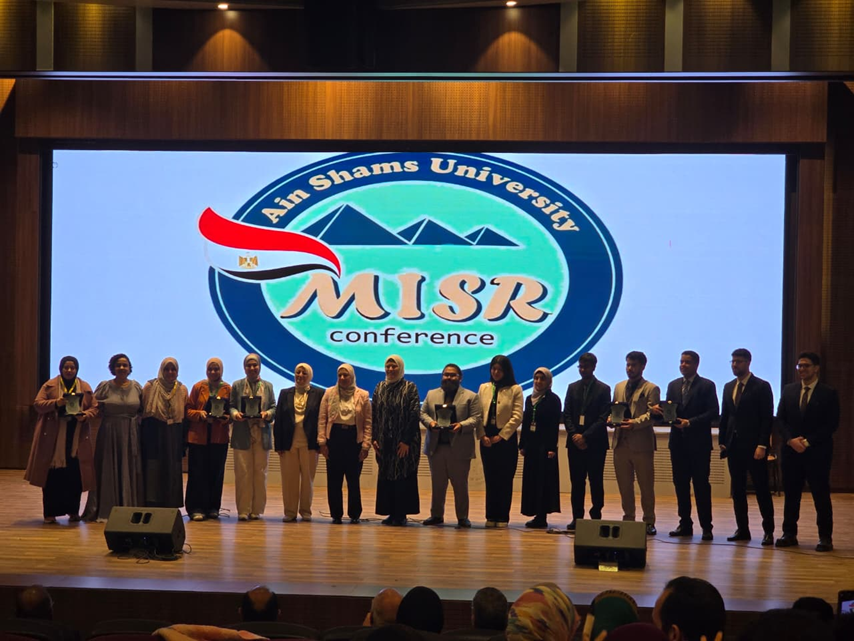
TASH undergraduate research team won First place in MISR Conference
المؤتمر السنوى لقسم الكيمياء الحيوية الطبية و البيولوجيا الجزيئية
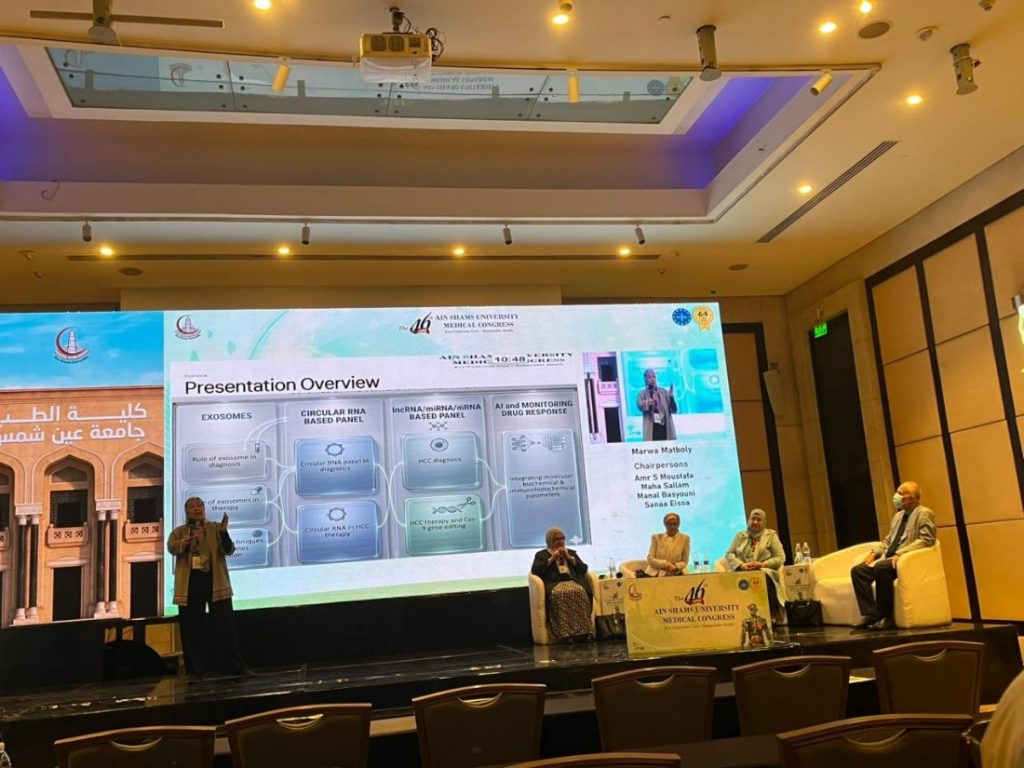
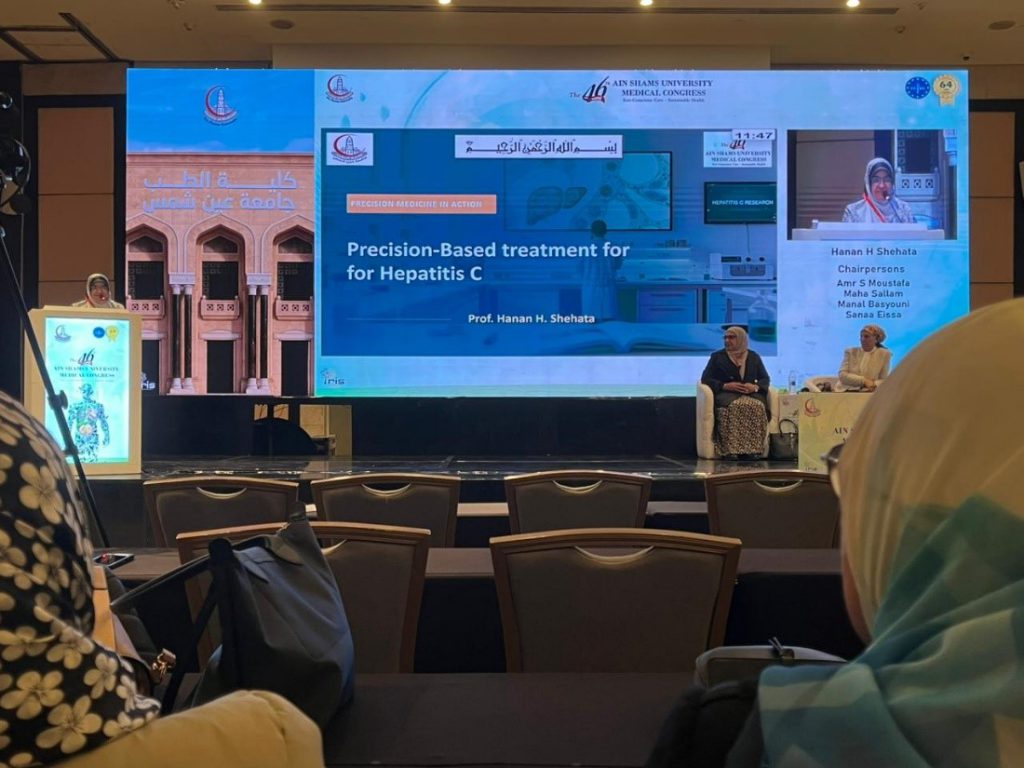
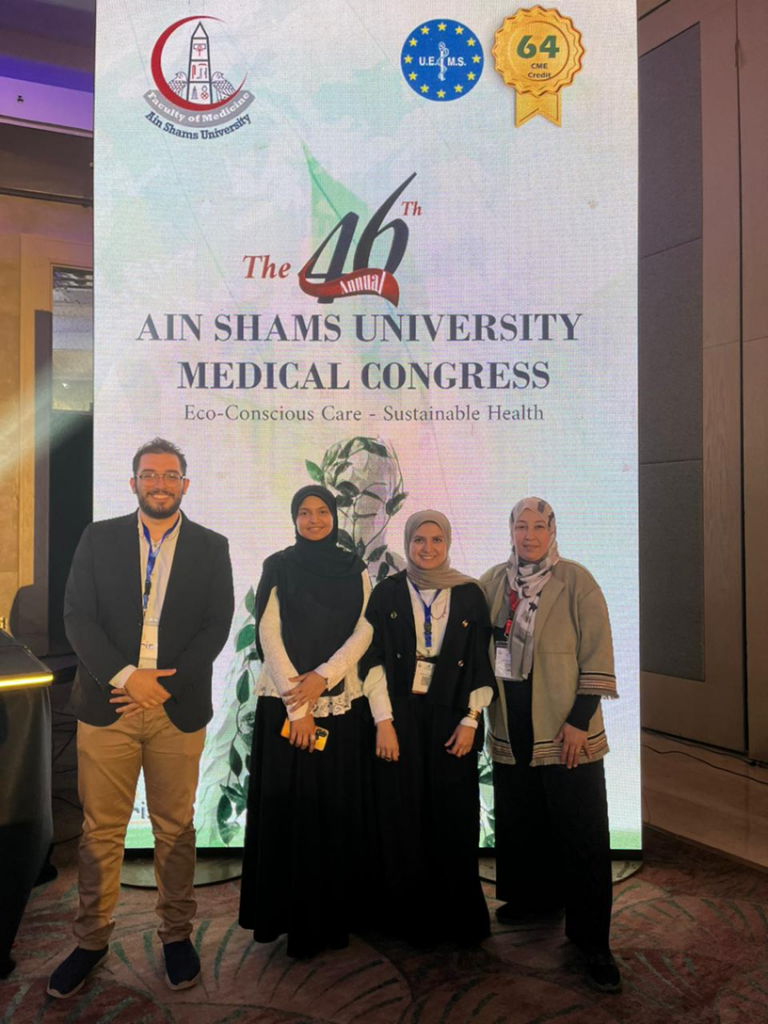
مشاركة متميزة لمركزنا في فعاليات المؤتمر السنوي: رؤى جديدة في الطب الدقيق
شهدت فعاليات المؤتمر مشاركة استثنائية من مركز طاش للبحوث التطبيقية والانتقالية، حيث تم تسليط الضوء على أحدث الطفرات في العلاج القائم على الدقة (Precision-Based Treatment)، مما يعكس التزام المركز بتقديم أرقى مستويات الرعاية الصحية القائمة على البحث العلمي الحديث
:أبرز المشاركات
-
الأورام والطب الدقيق: قدمت الأستاذة الدكتورة/ مروة متبولي، رئيسة معمل (TASH)، محاضرة هامة بعنوان:
“Precision-Based Treatment of Malignancies” تناولت فيها كيف ساهم الطب الدقيق في تغيير قواعد اللعبة في علاج سرطان الكبد، من خلال تخصيص البروتوكولات العلاجية بناءً على الخصائص الجينية لكل حالة، مما يرفع من نسب الشفاء ويقلل من الأعراض الجانبية.
-
علاج فيروس سي (Hepatitis C): كما قدمت الأستاذة الدكتورة/ حنان شحاتة عرضاً بحثياً متميزاً تحت عنوان:
“Precision-Based Treatment for Hepatitis C” واستعرضت من خلاله أحدث المنهجيات في التعامل مع التهاب الكبد الوبائي “سي”، وكيفية اختيار العلاج الأمثل لكل مريض لضمان أعلى معدلات الاستجابة للفيروس.
7th International Neuromuscular School and Conference
“Neuromuscular Disorders in the Era of Rare Diseases”
10–11 September 2026 | Concorde Cairo Hotel
The conference represents an important scientific platform for bringing together experts from different disciplines to exchange knowledge and discuss recent developments in the rapidly evolving field of neuromuscular medicine. Its program addressed major areas including spinal muscular atrophy, Duchenne muscular dystrophy, amyotrophic lateral sclerosis, peripheral neuropathies, neuromuscular genetics, neurophysiology, and molecular diagnosis. The combination of workshops, scientific sessions, and expert discussions made the meeting a valuable platform for connecting biomedical research with clinical practice.
The event also offered an opportunity for scientific networking and collaboration among local and international experts. By bringing together professionals from neurology, genetics, biochemistry, neurophysiology, and related fields, the conference encouraged multidisciplinary exchange and highlighted emerging approaches in precision medicine and advanced genetic therapies.
TASH Participation
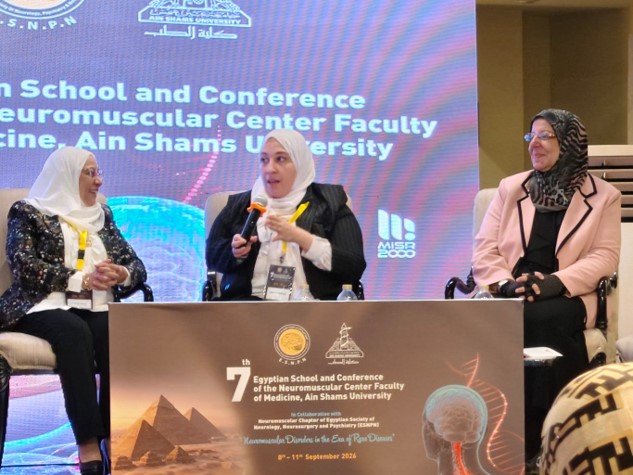
TASH Center, Faculty of Medicine, Ain Shams University, participated in the 7th International Neuromuscular School and Conference, organized by the Neuromuscular Center of Ain Shams University in collaboration with the Neuromuscular Chapter of the Egyptian Society of Neurology, Psychiatry and Neurosurgery (ESNPN). The conference brought together specialists to discuss recent advances in neuromuscular disorders, including genetics, molecular diagnosis, biomarkers, and emerging therapies.
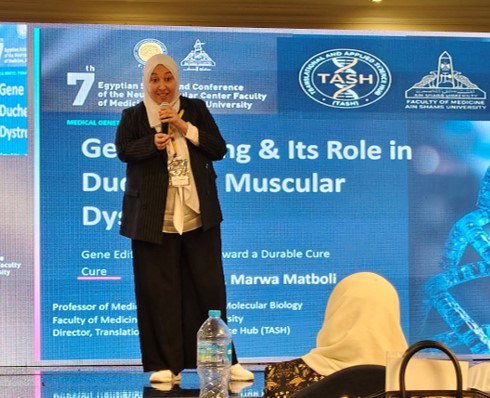
The lecture, “Gene Editing & Its Role in Duchenne Muscular Dystrophy,” presented by Prof. Dr. Marwa Matboli, explored the potential of gene-editing therapies as a durable treatment strategy for DMD. It introduced the genetic and molecular basis of the disease, the limitations of current symptomatic and gene-addition approaches, and the scientific principles behind CRISPR-Cas9, base editing, and other gene-editing platforms. The lecture also highlighted emerging therapeutic approaches and clinical translation, including the ARCUS/PBGENE-DMD program and the FUNCTION-DMD trial, while discussing the remaining challenges and the role of TASH in developing Egypt’s gene-editing research capacity.
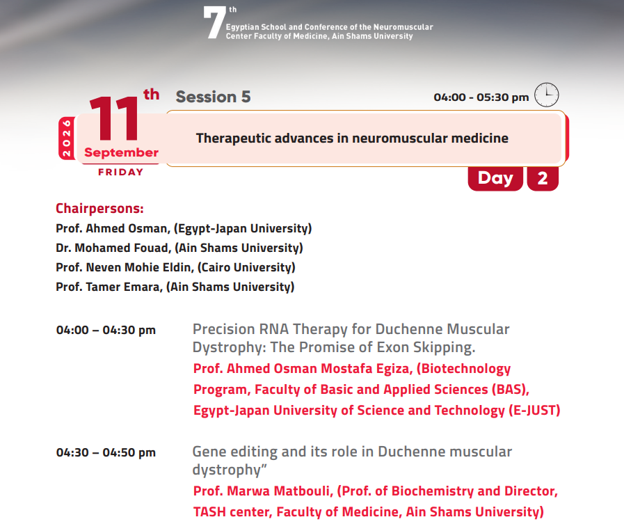
TASH was represented by Prof. Marwa Matbouli, Professor of Biochemistry and Director of the TASH Center, who delivered a scientific presentation entitled “Gene editing and its role in Duchenne muscular dystrophy.” The presentation took place on 11 September 2026 during Session 5, “Therapeutic advances in neuromuscular medicine,” alongside presentations on precision RNA therapy/exon skipping and next-generation gene-transfer approaches.
Significance
TASH’s participation highlighted the Center’s engagement with current developments in genetic and molecular therapeutics for neuromuscular disorders and provided an opportunity for scientific exchange with national and international experts in the field.
Participation in the conference workshops provided TASH team with a valuable opportunity to expand their scientific knowledge and gain direct exposure to the latest approaches in neuromuscular medicine. Through different educational sessions, team members were able to explore important areas including neuromuscular genetics, whole-exome sequencing and variant interpretation, neurophysiology, and advanced diagnostic techniques. The workshops also created an interactive environment where the team could learn directly from experienced specialists, discuss real clinical cases, and exchange ideas with researchers and healthcare professionals from different institutions. Beyond the educational value, this experience further strengthened TASH’s commitment to continuous professional development, multidisciplinary collaboration, and translating cutting-edge biomedical knowledge into meaningful research applications. Such participation reflects TASH’s ongoing efforts to build a highly skilled research team, remain connected to the evolving scientific landscape, and contribute effectively to the development of innovative and clinically relevant biomedical research.
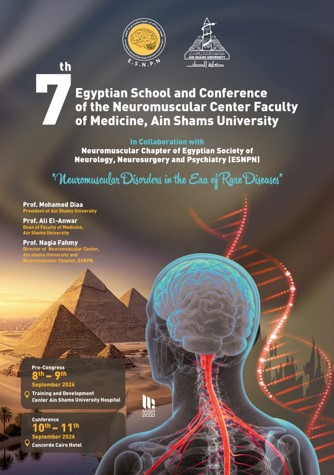
UPCOMING EVENTS
7th Egyptian School and Conference of the Neuromuscular Center Faculty of Medicine, Ain Shams University
TASH session will be about “gene editing and its role in Duchenne muscular dystrophy” and its therapeutic advances in neuromuscular medicine.
|
Domain |
Key Activities |
|
Medical Biochemistry |
Biomarker discovery, metabolic disorder analysis (e.g., diabetes, cancer). |
|
Molecular Biology |
Gene editing (CRISPR), epigenetic studies, and viral pathogenesis research. |
|
Cell Culture |
3D organoid models for drug testing, stem cell differentiation protocols. |
|
Bioinformatics |
Multi-omics data integration (genomics, proteomics), structural biology. |
|
Machine Learning |
Predictive modeling for disease progression, drug repurposing, and image analysis. |
Grant Type year |
Project Title |
ASERT 2025 |
AI prototype in MASH |
Monthly Journal
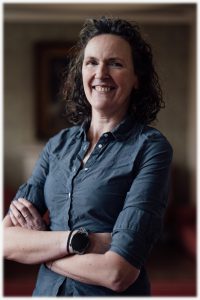
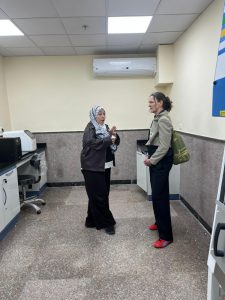
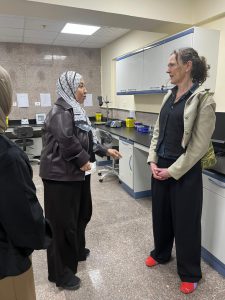
Report on the Visit of Professor Dr. Helen Dawes to the TASH Lab
Date: Sunday 29/3/2026
Helen Dawes
Professor of Clinical Rehabiliation in the College of Medicine and Health at University of Exeter. She has been based at Oxford Brookes University working for the Oxford Health BRC and closely collaborating with key colleagues at the University of Oxford, and McGill, Shanghai Jiao Tong Affiliated Sixth People’s Hospital, Sao Paulo, Drexel, Aarhus, Monash, and Oslo Universities.
Lab tour
Dr. Xu Ming
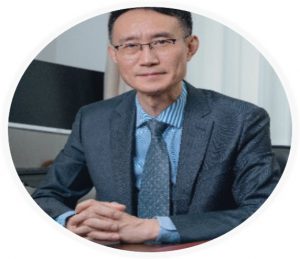
Date: 6/4/2026
Dr. Xu Ming Profile
Current Role
-
Dean of the Department of Global Health, School of Public Health, Peking
University
Global Impact
-
Member of the Pandemic Fund Technical Advisory Panel (TAP).
-
Member of WHO’s Technical Advisory Group Impact (TAG-LPTT).
-
Former Senior Advisor at the Global Fund (Switzerland).
Key Expertise
-
Global Health Governance, International Financing for Health, and Cross-border
Infectious Disease Control
Academic Background
-
PhD in Industrial Economics from Fudan University with over 100 published papers in top journals like BMJ Global Health
Dr. Yu Xiauyi
-
Researcher at Peking University School of Public Health, contributing to global health policy evaluation and infectious disease research projects
Key Personnel
-
Dr. Hala Sweed
Faculty vice for society and the
environment, Faculty of Medicine,
Ain Shams University
-
Dr. Tarek Yousef
Vice Dean for Postgraduate Studies
and Research, Faculty of Medicine,
Ain Shams University
-
Dr. Marwa Matboli
Professor of Biochemistry, faculty of
Medicine, Ain Shams University, Director of TASH lab
-
Radwa Khaled
MSc, PhD Student, Coordinator of
Molecular Biology
-
Ahmed Hesham
Research Assistant, Molecular
Biology
-
Asmaa Khamis
Research Assistant, Molecular
biology Lab
Our academic areas
1- TASH Overview & Vision
Mission, vision, and strategic
positioning as Egypt’s premier
translational research facility
2- Core Research
Capabilities
Five integrated research
domains spanning molecular
biology to Al-driven analytics
3-State-of-the-Art Facilities
Comprehensive wet lab and dry
lab infrastructure with cutting
edge equipment
4- Al & Bioinformatics Excellence
Peer-reviewed publications and
machine learning applications in
healthcare
5-Research Alignment
Connecting TASH capabilities
with Peking University’s global
health research priorities
6-Collaboration Opportunities
Strategic partnership
framework and concrete next
steps for bilateral cooperation
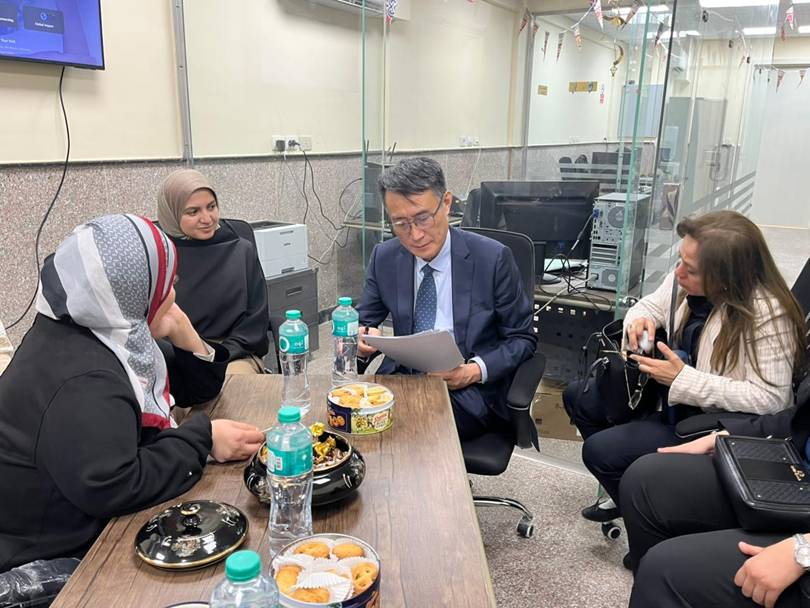
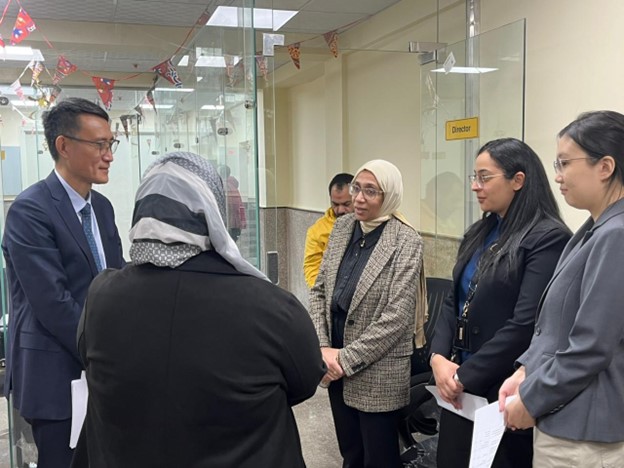
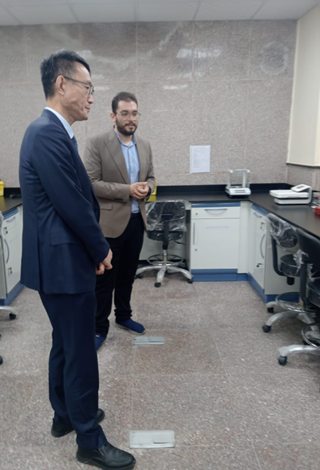
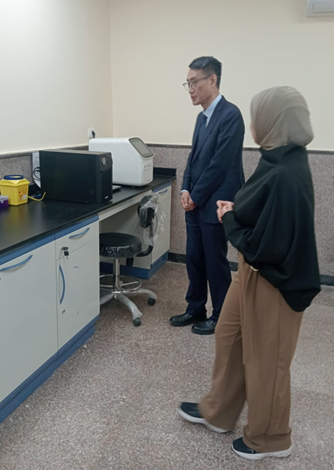
Lab Tour
Location:
Faculty of Medicine – Ain Shams University, Abbassia, Cairo, EGYPT.
Email:
TASH.trainingcenter@med.asu.edu.eg