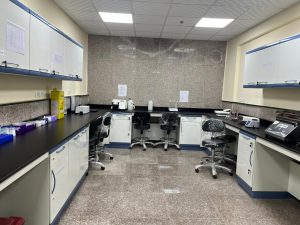
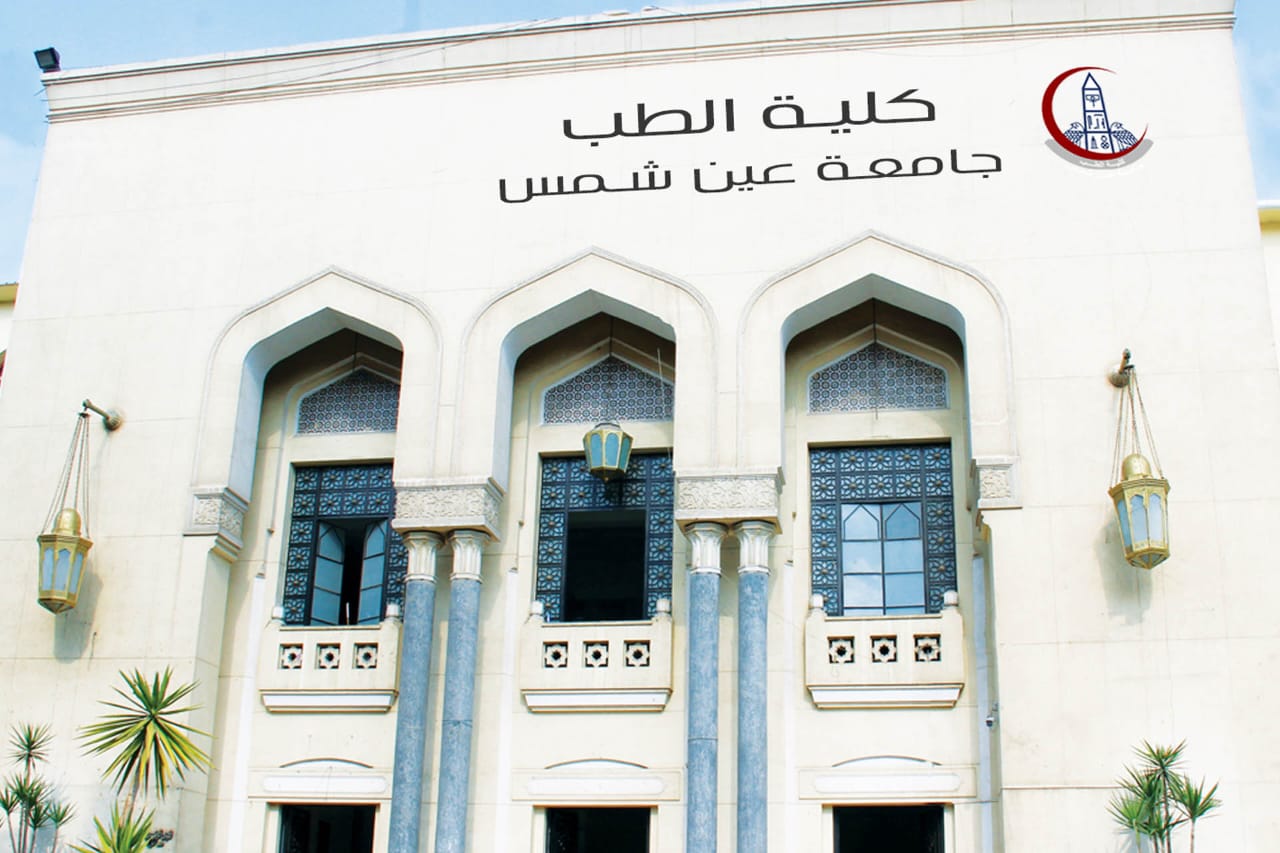
نبذة عن المركز
تم انشاء مركز طاش عام 2025 ليكون نواةً بحثيةً متطورةً تدمج بين التقنيات الحيوية الحديثة والذكاء الاصطناعي لخدمة النظام الصحي المصري. حيث يسعى مركز TASH ليكون حجر الزاوية في تحويل الأبحاث العلمية إلى حلول طبية ملموسة، مع التركيز على بناء شراكات استراتيجية وتوفير بنيه تحتية بحثية متطورة تخدم احتياجات مصر الصحية.
تأسس المركز برؤية طموحة ليكون المركز الرائد إقليميًا في الطب الجينومي والتشخيص الدقيق بحلول 2030، مع تركيز خاص على الأمراض المستوطنة مثل البول السكرى والالتهاب الكبدي والأمراض الوراثية والاورام….الخ .
يهدف المركز الى:
1. تدريب طلاب الدراسات العليا على المهارات البحثية المطلوبة لإعداد باحث مميز فكريا وعمليا.
2. تشخيصات جينومية للأمراض السرطانية والمعدية.
3. تطوير نماذج ذكاء اصطناعي لاستخدامها فى التشخيص والعلاج.
4. عقد برامج تدريبية في التقنيات الجزيئية والمعلوماتية الحيوية.
5. دعم مشاريع الشركات الناشئة عبر مبادرة “مسرع جينوم النيل”.
6. خلق شراكات محلية و إقليمية و دولية.
المهمة/الرسالة/الرؤية
المهمة:
توفير أبحاث طبية حيوية متقدمة بأسعار معقولة لخدمة النظام الصحي المصري من خلال الابتكار والتعاون وبناء القدرات العلمية.
الرسالة:
تمكين البحث الطبي المتقدم في مصر من خلال الابتكار والتعاون وبناء القدرات لتقديم حلول صحية مستدامة.
الرؤية:
أن نصبح بحلول عام 2030 المركز الرائد إقليميًا في مجال الطب الجينومي والتشخيص الدقيق، مع تركيز خاص على الأمراض المستوطنة في مصر مثل التهاب الكبدي والأمراض الوراثية.
الأهداف
1- تطوير حلول تشخيصية وعلاجية مبتكرة للأمراض المزمنة (مثل السرطان، السكري).
2- دمج تقنيات الذكاء الاصطناعي والبيانات الضخمة في البحث الطبي.
3- بناء شراكات استراتيجية مع الجامعات والقطاع الصناعي.
4- تدريب الكوادر الطبية والباحثين على التقنيات الحديثة مثل CRISPR، التحاليل البروتيومية.
الخدمات
|
الخدمة |
المجال |
استخلاص الحمض النووي DNA |
علم الجينوم والبيولوجيا الجزيئية |
استخلاص الحمض الريبوزي /RNA |
|
Reverse transcription النسخ العكسي |
|
Conventional PCR Amplification with provided master mixتضخيم تفاعل البلمرة المتسلسل التقليدي |
|
Real time PCR with provided master mix(with Sybr green (without primers)تفاعل البلمرة المتسلسل الكمي اللحظي باستخدام SYBR Green |
|
الكشف عن التعبير الجينىconventional PCR |
|
الكشف عن التعبير الجينى real time-PCR |
|
Gel documentation analysis
|
|
Marker Injection per Gel (PCR) |
|
تحليل ELISA للمؤشرات الحيوية |
التحاليل البروتينية والبروتيومية |
|
ELISA Preparation and Reading |
|
SDS-PAGE electrophoresis of proteinsالفصل الكهربائي للبروتينات باستخدام SDS-PAGE |
|
Marker Injection Per Gel (Protein) |
|
Western Blotتحليل الكشف عن بروتين محدد |
|
تقدير تركيز البروتينProtein Quantification |
|
|
Cell Line Maintenance رعاية الخلايا للأبحاث الخلوية |
زراعة الخلايا والميكروبيولوجيا |
2 conc per sample/ cell line |
|
5 conc per sample/ cell line |
|
10 conc per sample/ cell line |
|
Single conc per sample/ cell line |
|
|
Wound healing assay per sample/ cell line (one time interval) |
|
|
TUNEL Assay Kits |
|
|
Treatment of cells with therapeutic or molecular agents, in a cell culture plate at one time interval (Without providing therapeutic or molecular agents and transfection reagents) |
|
زراعة وصيانة الطفيليات المعزولةIsolation and maintenance of some protozoa parasites |
|
تحضير مستضدات الطفيلياتPreparation of parasites’ antigens |
|
اختبار مزرعة البكتيريا |
|
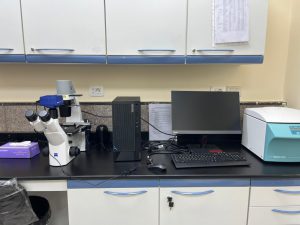
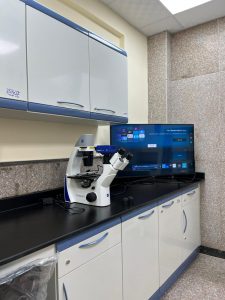
ميكروسكوب Inverted microscope |
التصوير المتقدم |
تحليل بيانات التسلسل الجيني |
الخدمات المتقدمة
|
تطوير خطوط الخلايا بتقنية CRISPR |
|
نماذج الذكاء الاصطناعي لتفاعل الأدوية |
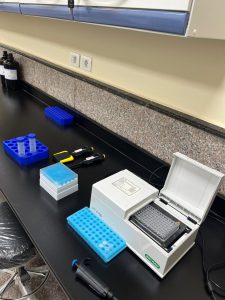
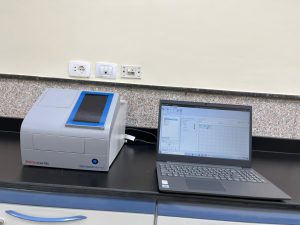
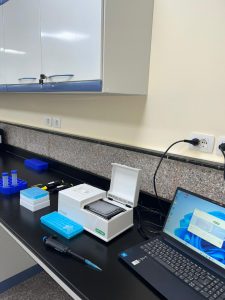
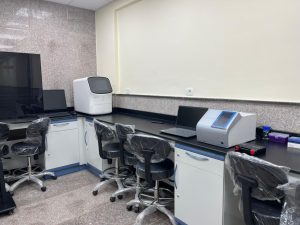
المعدات
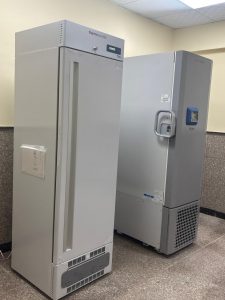
Cold room
- freezer -80 C
- freezer -20 C
- freezer 4 C
Biochemistry lab
- Distilled water unit
- Computer
- Heat Block stirrer
- Ph meter
- Sonicator
- Cooling centrifuge
- Vortex manual
- Digital Vortex
- Digital balance
- Gel electrophoresis
- Heat Block
- Homogenizer (50 ml)
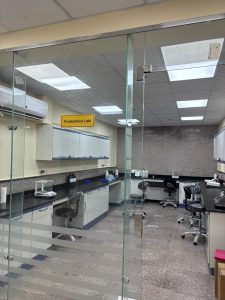
Proteomics Lab
- orbital shaker
- vortex
- vertical electrophoresis unit
- power blotter
- sensitive balance
- ELISA plate washer
- ELISA Plate reader
Molecular biology lab
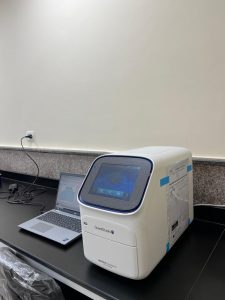
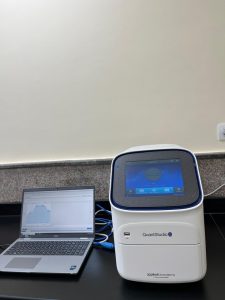
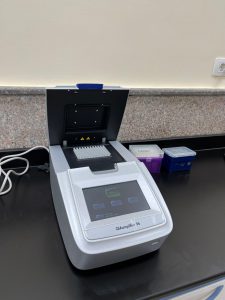
- Realtime PCR
- Computer
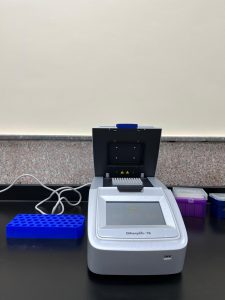
- Conventional PCR
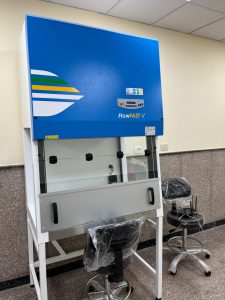
- laminar flow hood
-
skyhigh multiskan and nanodrop
- horizontal gel electrophoresis
Imaging Lab
-
skyhigh multiskan and nanodrop
- Gel documentation system
- Computer
- Screen
-
spectrofluorometer
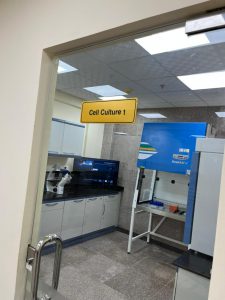
Cell culture lab (parasitology & microbiology)
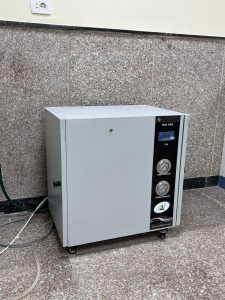
- CO2 incubator
- Inverted Microscope+ screen
- class 1 laminar flow hood
- Cooling centrifuge
Cell culture lab (stem cells & histology)
- autoclave
- water bath
- Inverted microscope
- safety cabinet class II without exhaust
- highspeed centrifuge
Sample collection area
- Autoclave
Bioinformatics work area
- AI workstation
التعاون والشراكات
|
|
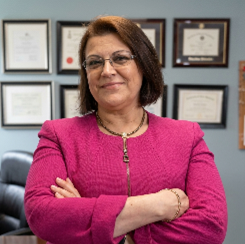
جامعة إلينويوس شيكاغو
|
أستاذ علم الاحياء الدقيقة الجزيئي |
بروفيسور ناهد إسماعيل |
|
|
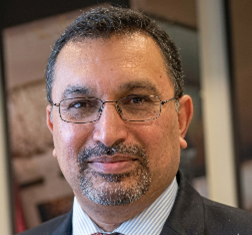
جامعة ولاية اوهايو |
أستاذ علم الباثولوجيا الجزيئية |
بروفيسور محمد عبد الرحمن |
|
|
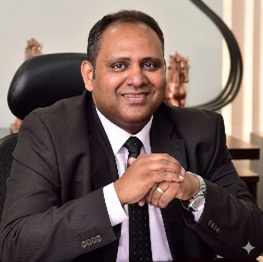
جامعة ألبرتا
|
أستاذ علم الأدوية |
بروفيسور أيمن القاضي |



الابحاث العلمية
-
Abd ElGwad, A.M., Youssef, I., Khaled, A. et al. “Machine learning-based prediction of drug response in ischemia reperfusion animal model,” Sci. Rep. 15, 43012, 2025.
https://doi.org/10.1038/s41598-025-18620-8 -
Sedkey ES, Matboli M, Seadawy MG, Hegazy MGA. “Genetic/epigenetic RNA dysregulation in type 2 diabetes mellitus complicated with ischemic heart disease,” Front Endocrinol (Lausanne), 2025 Oct 31;16:1687145. PMID: 41244042; PMCID: PMC12615181.
https://doi.org/10.3389/fendo.2025.1687145 -
Marwa Matboli, Aly Elanwar, Tarek M. Yousef, Radwa Khaled, Maha Saad, Mohamed Ahmed Mohamed Tolba, Nesma Mohamed Mohamed, Ghada Galal Hamam, Marwa Shafei, Shimaa S. Attia, Nevien Hendawy, Marian Maher Salib Roushdy, “Dual calcium-ACE inhibition reverses non alcoholic fatty pancreas progression: Mechanistic convergence on miR-762/GPX4 driven NLRP3 inflammasome activation,” Biomedicine & Pharmacotherapy, Volume 196, 2026.
https://doi.org/10.1016/j.biopha.2026.119137 -
El-Sayed AA, Nabeel AI, Hegazy MGA, El Anwar A, Matboli M. “Evaluation of a lipid peroxidation-dependent ferroptosis RNA panel expression as a potential noninvasive biomarker in patients with nonalcoholic steatohepatitis-associated hepatocellular carcinoma,” Mol Biol Rep., 2025 Dec 29; 53(1):231. IF: 2.8 (Q3) PMID: 41460534.
https://doi.org/10.1007/s11033-025-11340-2 -
Matboli, M., ELanwar, A., Altayyar, M. et al. “Identification of NFKB1, miR-342-5p, -5192, and −15b as diagnostic biomarkers for periodontitis in type 2 diabetes mellitus: a cross-sectional and experimental study,” BMC Oral Health, 2026.
https://doi.org/10.1186/s12903-026-07780-2 -
Radwa Khaled, Emad EL-Zayat, Mohamed A. Ragheb, Sara Elsayed Abdelrahman and Marwa Matboli. Early RNA biomarker signatures for prediction of acute kidney injury in acute coronary syndrome patients undergoing PCI, BMC Nephrology. (in press). doi: 10.1186/s12882-026-04926-w
التدريبات المتاحة
Molecular Biology & Genomics
Foundations of Nucleic Acid Analysis
:Duration
:Content
• PCR principles and primer design (Tm, GC content, specificity).
• Contamination control and best laboratory practices.
• qPCR workflows (SYBR Green vs. TaqMan) and ΔΔCt analysis.
• Hands-on training in thermal cycler programming and pipetting accuracy.
• Case study: troubleshooting false-positive PCR results (COVID-19 model).
• Data analysis using Bio-Rad CFX Manager and Excel/R.
• Target Audience: Undergraduate students, MSc candidates, and lab technicians new to molecular techniques.
Gene Expression Analysis and qPCR Validation
:Duration
:Content
• RNA extraction strategies (TRIzol vs. column-based methods).
• RNA quality assessment (RIN, DV200 for FFPE samples).
• Reverse transcription optimization for low-input RNA.
• Advanced qPCR techniques including multiplexing and probe design.
• Reference gene validation using GeNorm and normalization strategies.
• MIQE-compliant data generation and reporting.
• Target Audience: PhD candidates, postdoctoral researchers, and clinical scientists.
Molecular Cloning & CRISPR Gene Editing
CRISPR-Based Genome Editing and Molecular Engineering
:Duration
:Content
• CRISPR-Cas9 mechanism and experimental design.
• gRNA design using bioinformatics tools (e.g., CHOPCHOP).
• Delivery systems: electroporation vs. viral transduction.
• Homology-directed repair (HDR) and knock-in strategies.
• Validation of gene editing efficiency (Sanger sequencing, TIDE analysis).
• Applications in gene therapy and functional genomics.
• Target Audience: Genetic engineers, synthetic biologists, and translational researchers.
Epigenomics in Human Disease
:Duration
:Content
• Fundamentals of epigenetics: chromatin structure, heterochromatin, and transcriptional regulation.
• DNA methylation and hydroxymethylation profiling techniques.
• Chromatin Immunoprecipitation (ChIP) workflow and optimization.
• Bisulfite conversion and sequencing-based methylation analysis.
• Pyrosequencing and Illumina-based epigenomic profiling.
• Applications in cancer and developmental disorders.
• Target Audience: Epigenetics researchers, oncologists, and biotechnology professionals.
Cell Culture & Microscopy
Aseptic Techniques and Contamination Control
:Duration
:Content
• Principles of sterile technique in cell culture laboratories.
• Identification and prevention of microbial contamination (including mycoplasma).
• Hands-on culture of mammalian cell lines (HEK293).
• Environmental effects on cell growth (hypoxia vs. normoxia).
• Quality control and troubleshooting in cell culture systems.
• Target Audience: Beginners in cell culture, lab technicians, and biomedical students.
Parasitology & Antigen Preparation
In Vitro Culture and Antigen Preparation of Parasites
:Duration
:Content
• Principles of parasite culture (xenic and axenic systems).
• Culturing protozoa (e.g., Trichomonas, Blastocystis).
• Aseptic techniques and contamination control.
• Antigen extraction, purification, and characterization.
• SDS-PAGE and immunological applications.
• Applications in diagnostics and vaccine development.
• Target Audience: Postgraduate students in medical, veterinary, and biological sciences.
Advanced Live-Cell and Super-Resolution Imaging
:Duration
:Content
• Super-resolution microscopy (N-STORM) for nanoscale imaging.
• Sample preparation and fluorescent labeling strategies.
• FRET-FLIM techniques for studying protein interactions in live cells.
• Hypoxia imaging and tracking of HIF-1α dynamics.
• Image analysis using Fiji and advanced microscopy software.
• Generation of publication-quality imaging data.
• Target Audience: Cell biologists, neuroscientists, and microscopy core facility staff.
Proteomics & Immunoassays
Protein Quantification and Immunoassay Techniques
:Duration
:Content
• Fundamentals of proteomics: gel-based and non-gel-based approaches.
• Protein extraction and quantification (BCA vs. Bradford assays).
• SDS-PAGE and Western blotting workflows (reducing vs. non-reducing).
• Troubleshooting protein transfer and detection of high-molecular-weight proteins.
• ELISA principles, applications, and standard curve development.
• Automation strategies for high-throughput immunoassays.
• Data quality control and assay reproducibility (CV optimization).
• Target Audience: Protein researchers, biochemists, and biopharma QC analysts.
Clinical & Diagnostic Laboratory Workshops
Clinical Microbiology and Diagnostic Techniques
:Duration
:Content
• Clinical sample collection and biosafety protocols.
• Identification of bacteria, fungi, and viruses.
• Cell culture techniques for diagnostic virology.
• Antimicrobial sensitivity testing and interpretation.
• Case-based diagnostic decision-making.
• Target Audience: Microbiologists, clinicians, and medical students.
Specialized Equipment Training Programs
:Duration
:Content
• Real-time PCR workflows: extraction to data analysis.
• Fluorescence microscopy imaging and analysis.
• Automated ELISA systems and LIMS integration.
• Western blotting from protein extraction to quantification.
• Hands-on operation and troubleshooting of laboratory instruments.
• Target Audience: Laboratory professionals and technical specialists.
Bioinformatics & Precision Medicine
Bioinformatics-Driven Genetic Panel Development
:Duration
:Content
• Mining public datasets (TCGA, GEO, ArrayExpress) for disease biomarkers.
• Differential expression analysis and co-expression networks (limma, WGCNA).
• Machine learning approaches (LASSO regression) for gene panel optimization.
• Functional enrichment and pathway analysis (DAVID, Metascape).
• Clinical validation using NanoString and qPCR platforms.
• Diagnostic performance evaluation (ROC curves, AUC analysis).
• Regulatory frameworks (CLIA, FDA pre-submission).
• Capstone project: design and validate a disease-specific genetic panel.
• Target Audience: Bioinformaticians, clinicians, and computational biologists.
Translational Research & Scientific Development
From Idea to Publication: Translational Research Workflow
:Duration
:Content
• Study design and hypothesis development.
• Multi-omics data integration and visualization.
• Scientific writing (manuscripts, PRISMA, pathway figures).
• Statistical modeling for longitudinal and experimental data.
• Journal club mentorship and peer-review strategies.
• Target Audience: Early-career researchers and graduate students.
Scientific Seminars & Conferences
Emerging Trends in Laboratory Medicine and Biomedical Research
:Duration
:Content
• Expert-led talks on cutting-edge research topics.
• Case studies and interactive discussions.
• Networking sessions for interdisciplinary collaboration.
• Opportunities for national and international research partnerships.
• Target Audience: Researchers, faculty members, and healthcare professionals.
ADVANCED TRAININGS:
Advanced Techniques in ChIP and CRISPR for Gene Regulation Studies
:Duration
:Content
-
Combining ChIP techniques with CRISPR for functional genomics.
-
Design and optimization of CRISPR experiments to study gene regulation.
-
Data analysis of ChIP-Seq and CRISPR results using bioinformatics tools.
-
Case studies on the application of these techniques in virology research.
-
Target Audience:Genetic engineers, molecular biologists, and bioinformaticians.
Bioinformatics Applications in Viral Pathogenesis and Immunity
:Duration
:Content
-
Bioinformatics approaches to study host-virus interactions.
-
Analysis of immune responses to viral infections using transcriptomic data.
-
Predictive modeling of viral evolution and spread using AI.
-
Workshops on software tools for viral sequence analysis and immune profiling.
-
Target Audience:Immunologists, virologists, and data scientists.
AI-Driven Approaches in Virology and Genomics
:Duration
:Content
-
Machine learning algorithms for viral sequence classification and annotation.
-
Deep learning applications in predicting viral pathogenicity and host interactions.
-
Development of AI models for real-time virology data analysis.
-
Practical sessions on using TensorFlow and PyTorch for genomic data.
-
Target Audience:Bioinformaticians, virologists, and AI researchers.
ChIP-Seq Data Analysis and Integration with Bioinformatics
:Duration
:Content
-
Advanced techniques in ChIP-seq for studying protein-DNA interactions.
-
Data processing and analysis using bioinformatics software (e.g., MACS, HOMER).
-
Integration of ChIP-seq data with transcriptomics and epigenomics.
-
Hands-on workshops on data visualization and interpretation using R/Bioconductor.
-
Target Audience:Molecular biologists, geneticists, and bioinformaticians
Advanced Virology: Integrating AI and Bioinformatics
:Duration
:Content
-
In-depth study of viral genomics and evolution.
-
Application of AI in predicting viral outbreaks and mutations.
-
Bioinformatics tools for analyzing viral sequences and structures.
-
Case studies on the use of AI in vaccine development and antiviral drug discovery.
-
Target Audience:Researchers in virology, bioinformatics, and computational biology.
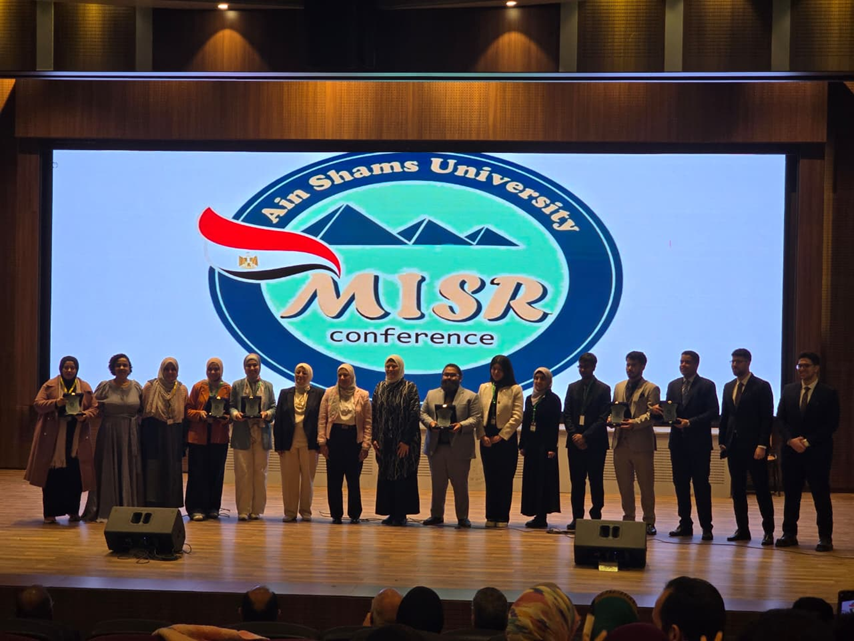
مشاركة مركز طاش في المسار البحثي للطلاب
TASH PARTICIPATION IN UNDERGRADUATE RESEARCH TRACK AT MISR CONFERENCE
First Research Award for Undergraduates in Misr Conference
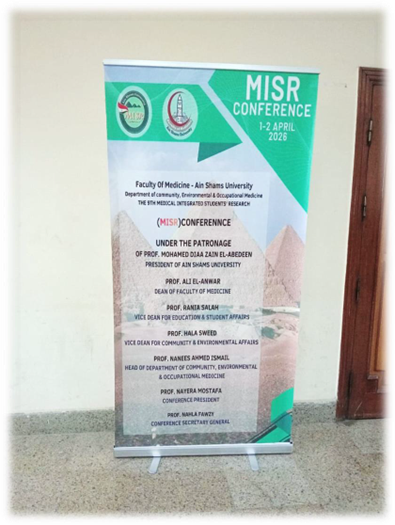
Research tobic: Translational Multi-Omics in MASH From Molecular Discovery to Al-Driven
Clinical Deployment
A Hybrid Narrative & Perspective Review
The students in the 9th Medical Integrated Students’ Research Conference: Tanbir Hossen Abir, Mohamed Maaz Shaikh, Mahitab Desoky, Marjan Azizi
.Supervisor: Dr. Marwa Matboli Sayed Mohamed
Tanbir Hossen Abir
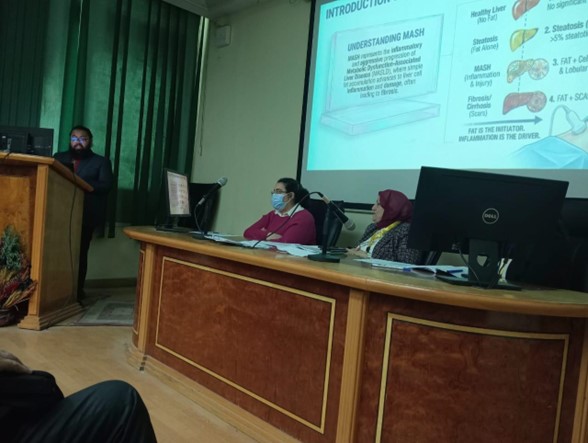
Mohammed Maaz Shaikh
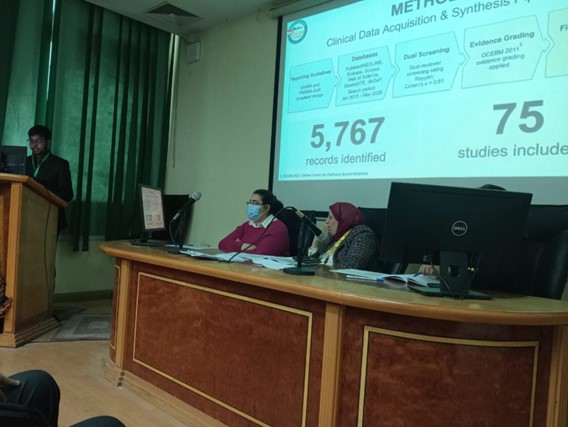
Mahitab Desoky
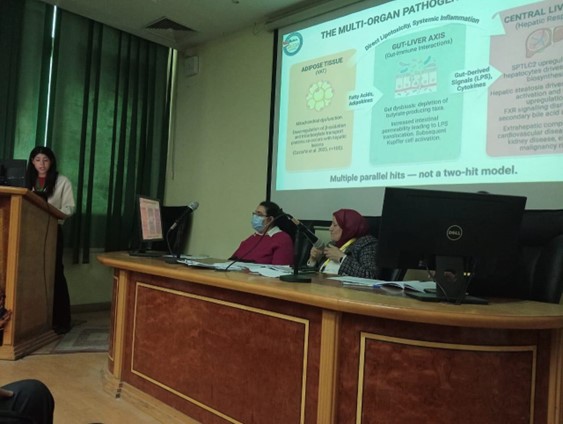
Marjan Azizi
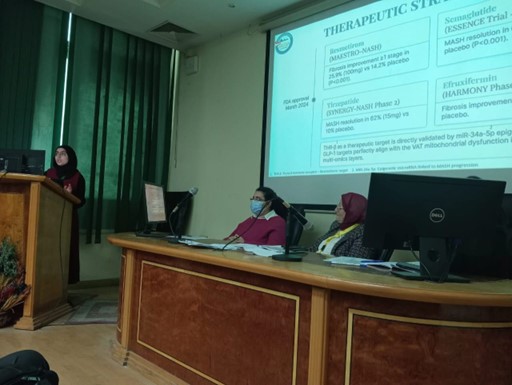
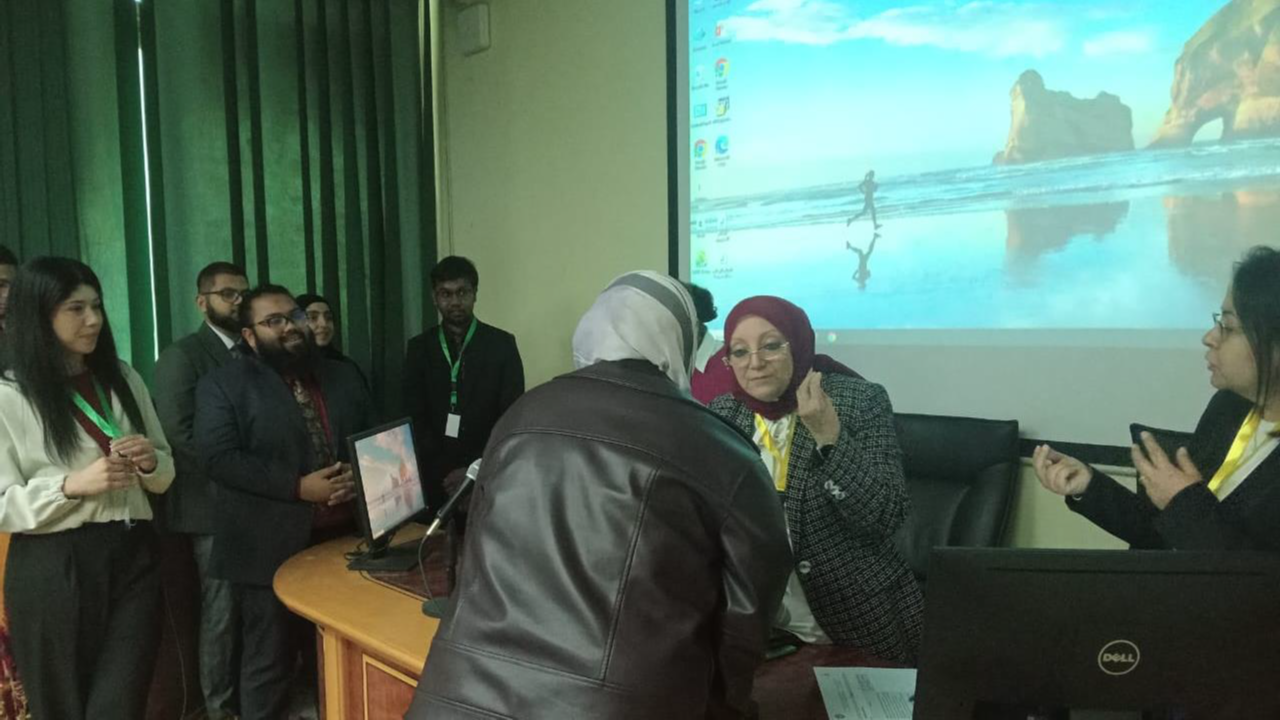
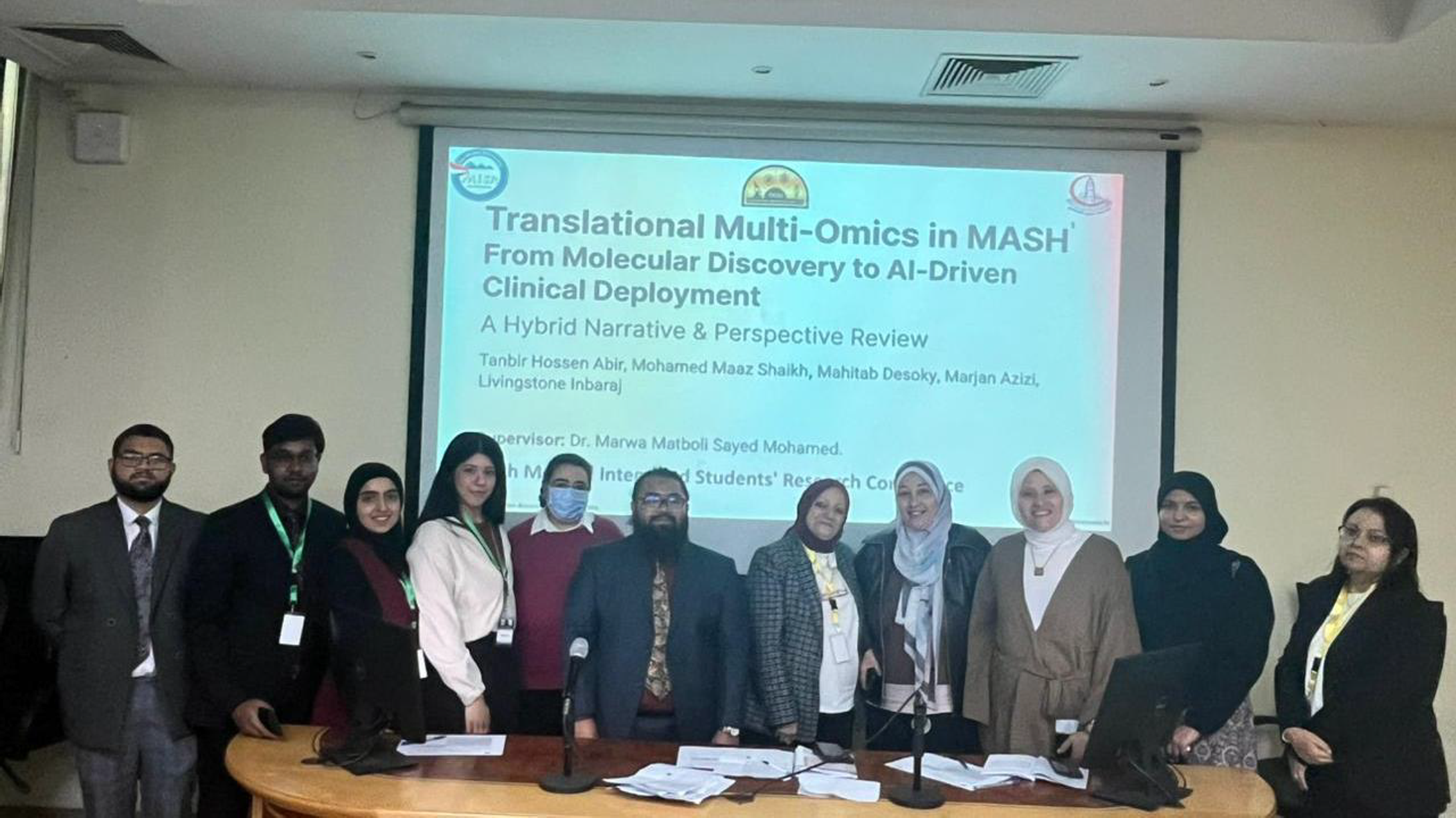
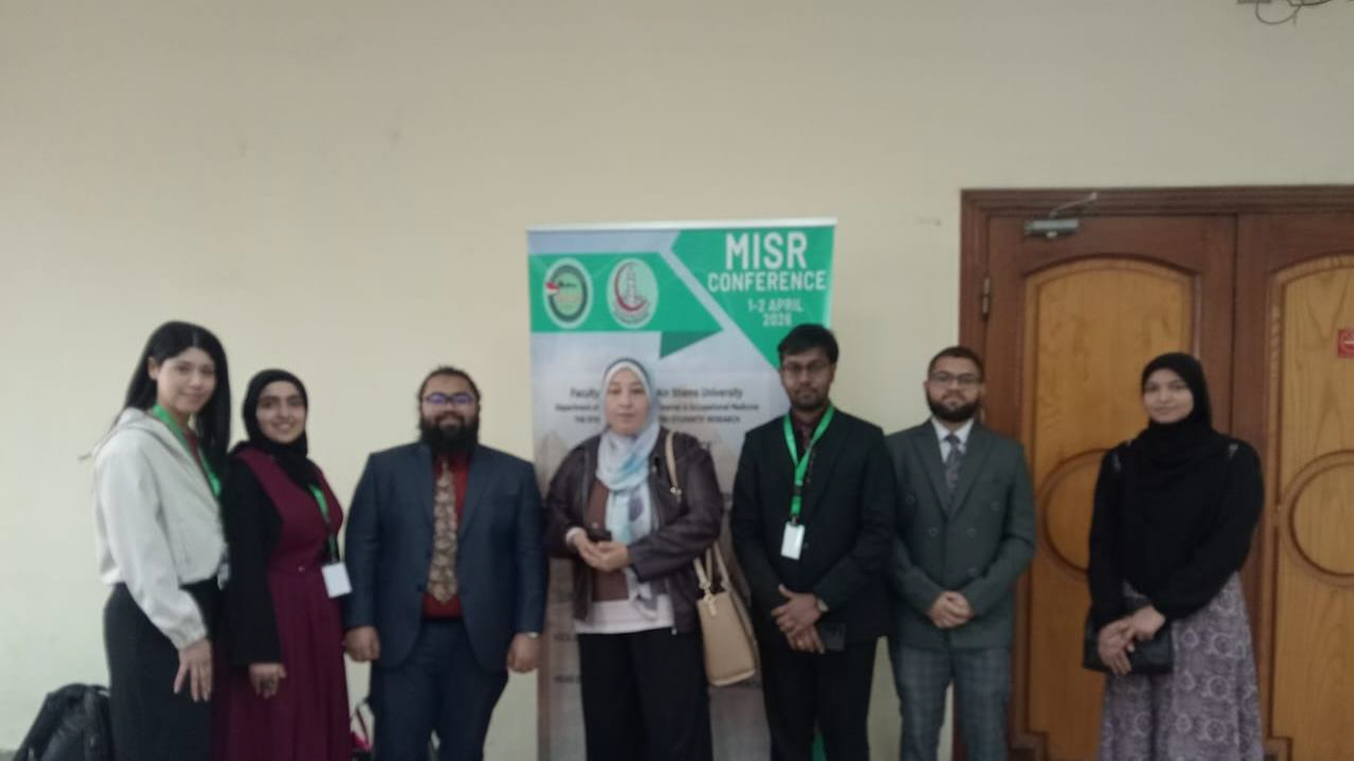
TASH undergraduate research team won First place in MISR Conference
المنح المفعلة
السنة نوع المنحة |
اسم المشروع |
ASERT 2025 |
AI prototype in MASH |
الأخبار
المجلة الشهرية
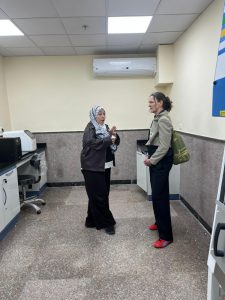
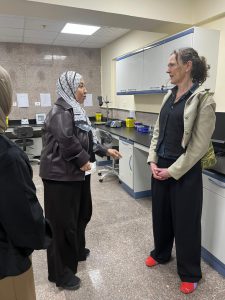
Report on the Visit of Professor Dr. Helen Dawes to the TASH Lab
Date: Sunday 29/3/2026
Helen Dawes
Professor of Clinical Rehabiliation in the College of Medicine and Health at University of Exeter. She has been based at Oxford Brookes University working for the Oxford Health BRC and closely collaborating with key colleagues at the University of Oxford, and McGill, Shanghai Jiao Tong Affiliated Sixth People’s Hospital, Sao Paulo, Drexel, Aarhus, Monash, and Oslo Universities

Lab tour
التواصل
يقع المركز بالدور الارضي – المبنى الرئيسي (A) – كلية الطب – جامعة عين شمس
البريد الالكتروني الرسمي:
TASH.trainingcenter@med.asu.edu.eg